Tibet – The Roof of the World
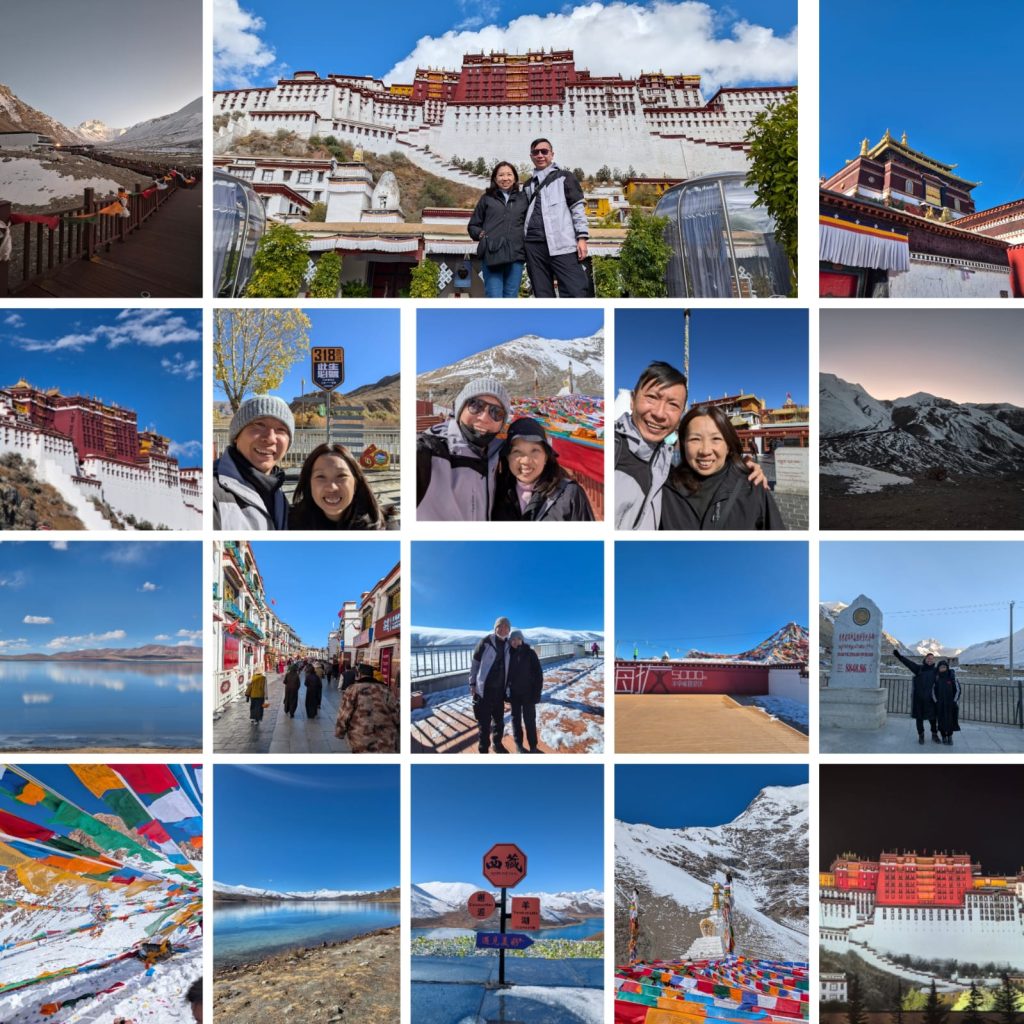
Snow-capped mountains, shimmering blue sacred lakes, fluttering colourful prayer flags, and ancient monasteries. Tibet, a place I’ve always longed to visit. In 2025, that dream finally came true. Truly blessed for this once-in-a-lifetime and unforgettable journey.
My Back Story
My first attempt to visit Tibet was back in 2015. But after discovering that the visa process could take almost a month, I changed my plans and headed to Bhutan instead. Ten years later, I tried again: this time planning the trip with my mother. Unfortunately, those plans were abruptly halted when she was diagnosed with cancer. A heartbreaking reminder of how fragile our “someday” plans can be.
Fast forward to September, we were looking for a destination and my husband simply asked, “Why don’t we go to Tibet?” That was all it took.
Finding the Right Tibet Itinerary
As usual, I headed straight to my default go-to travel agency, Chan Brothers Travel, and found this 13 Days Enchanting Tibet: Nyingchi + Qinghai–Tibet Railway + Mt Everest itinerary. It ticked all the boxes on my wish list, specifically the legendary Qinghai-Tibet Railway and a direct access to Mount Everest Base Camp
My Childhood Regret About Everest Base Camp
There are two ways of reaching Mount Everest Base Camp
- Nepal Side: A grueling multi-day trek from Kathmandu.
- Tibet Side: An epic drive right up to the base.
Back in poly, I missed a chance to join an adventure school expedition trip trekking to Everest Base Camp via Nepal. To this day, I still have the slightest bit of regret on why I didn’t do it then. So visiting Everest Base Camp from Tibet side felt like closing a long-standing loop which in comparison is much easily achievable.
The Must Experience Qinghai-Tibet Railway
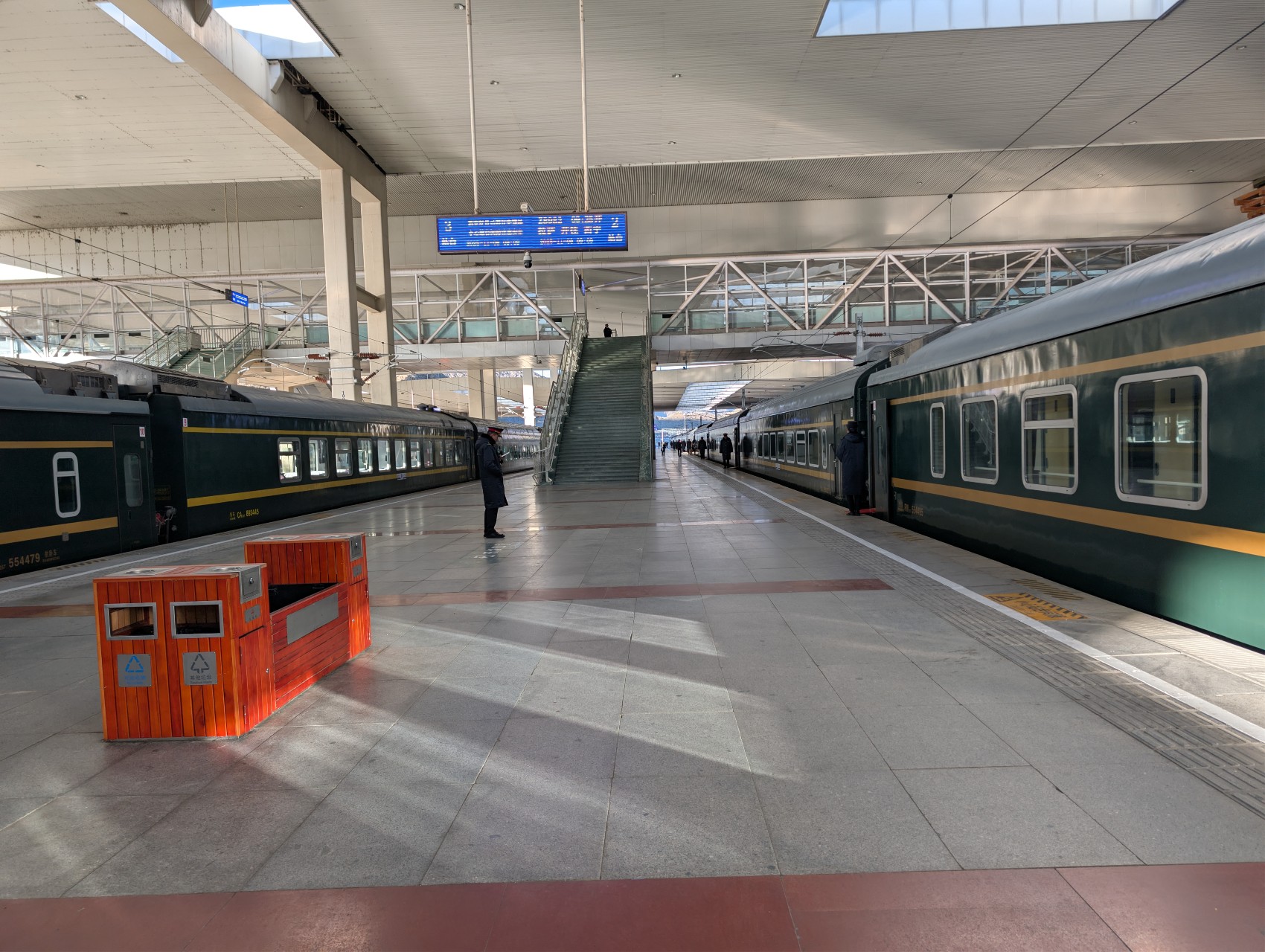
The Qinghai-Tibet Railway is one of the most hyped rail journeys in the world. Running from Xining to Lhasa, it is also the highest railway on Earth, crossing vast plateaus, snow mountains, and wildlife reserves. And I knew that if I didn’t experience it this trip, I probably won’t return to Tibet just for the train. So my philosophy was simple: tick all the boxes at once.
Why start in Nyingchi?
Pro Tip: Don’t fly straight to Lhasa (3,650m). Recommend to start in Nyingchi (3,000m) to allow your body to gradually adjust to the altitude before hitting Everest Base Camp (5,000m)
This 13-day Tibet itinerary is well designed for optimal acclimatization. By starting in the “Eastern Swiss Alps” of Nyingchi (lower altitude with higher oxygen levels due to the lush forests and valleys) and finishing with the iconic Qinghai-Tibet Railway, you minimize altitude sickness and maximize the “wow” factor.
Booking the trip
We contacted Huangshan, the tour leader from our previous Beijing trip to check on departure dates and availability. And – hoorah – there was a group departing on 29 October!
At a travel fair in Marina Square, we met up with him (the kids were happy to see him again) and he went above and beyond, to arrange for one of his colleagues who have extensive experience leading Tibet tours to explain to us more about Tibet, how to prepare for Tibet and answer any concerns we have. We were more or less set on Tibet anyway, so we paid the deposit and confirmed the trip.
I mentioned in my previous blog posts, that’s the brilliant thing about booking a tour package: you choose the itinerary, the price is right – book it and you’re done. All that was left to do was wait.
Following a tradition started by my son, this is the master post outlining our full itinerary, with individual daily posts linked separately.
Our 13-Day Tibet Itinerary
Note: The actual sequence differed slightly from the website due to local arrangements.
| Day | Itinerary | Key Attractions | Accommodation |
| DAY 1: | SINGAPORE – CHENGDU | – | Tianfu Joyhub Cheer Hotel |
| DAY 2: | CHENGDU – NYINGCHI | Lamaling Monastery | Linzhi Chomura Zong Urcove Hotel |
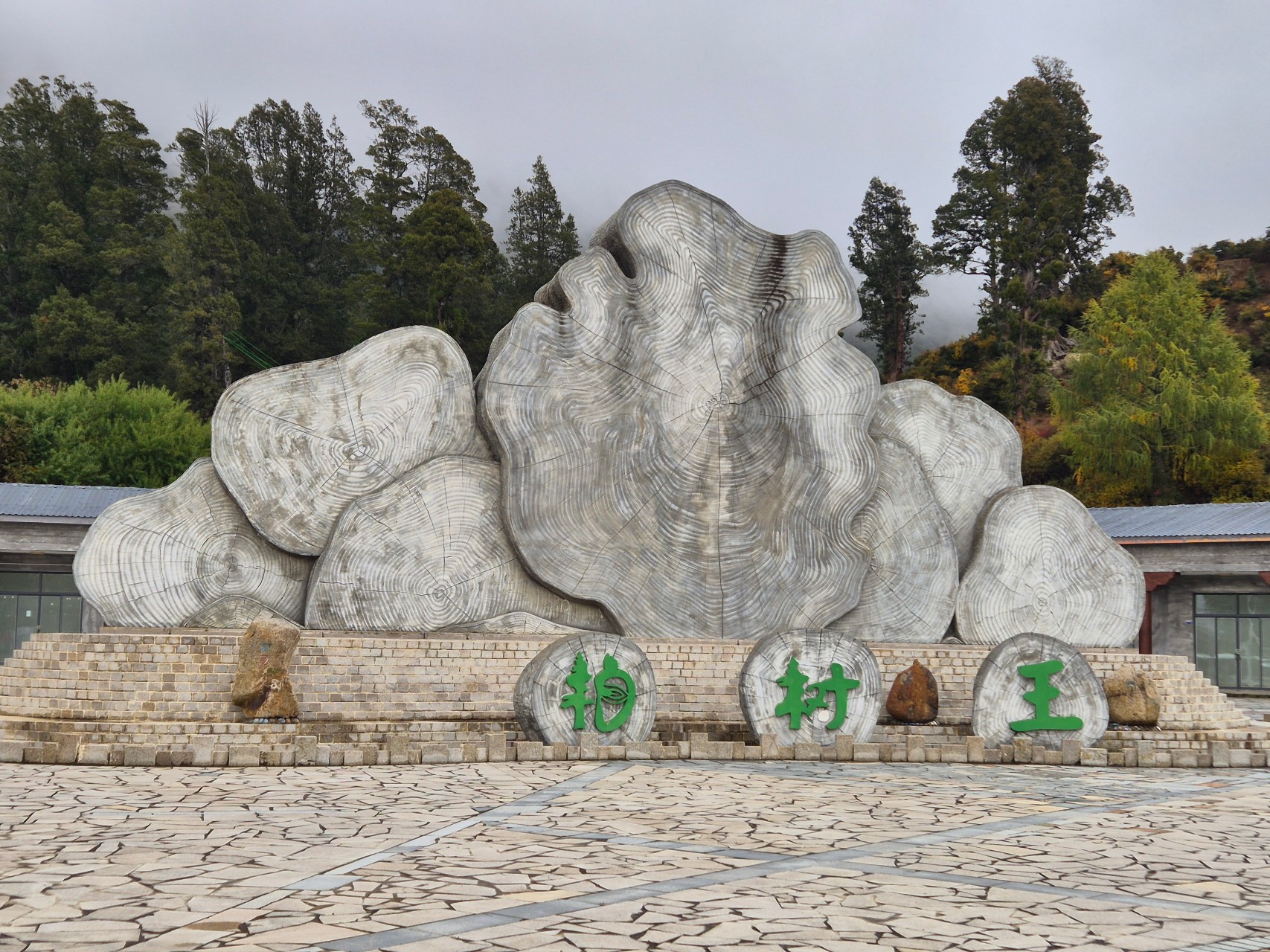
| DAY 3 | NYINGCHI | Nyingchi King of Cypress | Giant Cypress Nature Reserve | Sejila Scenic Area | Namcha Barwa | Lulang Forest | Niyang River Valley | Yani National Wetlands Park | Linzhi Chomura Zong Urcove Hotel |
| DAY 4 | NYINGCHI – LHASA | Basong Lake | Mila Mountain | Lhasa Shangri-La Hotel |
| DAY 5 | LHASA | Barkhor Street | Jokhang Temple | Potala Palace | Inscriptions on Precipices of Chakpori hill + the Observation deck of Chakpori hill | Shigatse Chomura Zong Urcove Hotel |
| DAY 6 | LHASA – NAMTSO LAKE – LHASA | Namtso Lake | Lhasa Shangri-La Hotel |
| DAY 7 | LHASA – YAMDROK TSO LAKE – SHIGATSE | Kanola Glacier | Yamdrok Tso Lake | Shigatse Chomura Zong Urcove Hotel |
| DAY 8 | SHIGATSE – EVEREST TOWN – EVEREST BASE CAMP | Rongbuk Monastery | Gyawu La Pass | Everest Base Camp | Vienna International Hotel Tingri |
| DAY 9 | EVEREST TOWN – SHIGATSE | Tashilhunpo Monastery | Shigatse Chomura Zong Urcove Hotel |
| DAY 10 | SHIGATSE – LHASA | Yarlung Tsangpo River | Potala Palace Square night tour | Shigatse Chomura Zong Urcove Hotel |
| DAY 11 | LHASA – QINGHAI-TIBET RAILWAY | Cuona Lake | Kekexili | Changjiangyuan | Changtang Grassland | Overnight on train |
| DAY 12 | QINGHAI-TIBET RAILWAY – XINING – CHENGDU | Chunxi Road | Taikoo Li | Daci Temple | Chengdu Taihe International Hotel |
| DAY 13 | CHENGDU – SINGAPORE | – | Home Sweet Home |
Pro-Tips & “Lessons Learned” (The Raw Reality)
1. Altitude Sickness
Altitude sickness is the biggest concern when travelling in Tibet. The best way to prevent altitude sickness in Tibet is gradual acclimatization and pacing your activities.
Practical tips that worked for us:
- Choose to start at lower elevations such as Nyingchi before going to Lhasa
- Walk slowly and avoid rushing or climbing stairs quickly
- Drink plenty of water
- Sleep well and avoid alcohol
- Don’t shower for the 1st night or if you must, a quick 5-10 mins shower and dry your hair immediately.
- Consider altitude medication like Acetazolamide (Diamox). I struggled with whether to let my body adjust naturally or take medication. On Day 2 in Nyingchi, I decided: no harm, don’t risk it. It’s prescription-only. I got mine at the polyclinic; a teammate got theirs at Guardian. It works faster than Hong Jing Tian. I took it until we reached Everest Base Camp, and it made the 5000m elevation manageable.
- The “Mind Over Body” Rule: My guide said it best: don’t overthink mild symptoms. Many travellers experience mild symptoms like headaches or fatigue, but you can take paracetamol and it will improve after a day or two. Stress can make acclimatization harder. Slow down, pace yourself, relax and enjoy your holiday.
2. Tech, Payments & Power Banks
- Mobile Payment: You don’t need to change cash/RMB if you are comfortable with mobile payments. WeChat Pay and Alipay worked everywhere.
Pro-Tip: If you’re a Singapore traveler, set up both WeChat Pay and Changi Pay (which you can connect to Alipay) before you leave Singapore. Try Changi Pay, but keep WeChat as your reliable backup. Do note that there’s a 3% fee for international cards for amounts over 200 RMB.
- Power Banks: Ensure they are 3C (CCC) certified. As of 28 June 2025, power banks without a clear 3C (CCC) certification label, or those that are vague or recalled, are now strictly banned on China domestic flights. They are very strict about it.
3. Hygiene & The “Dry Toilet”
Let’s be real: some washrooms in rural areas such as Shigatse and EBC are traditional hàn cè (dry toilets). It’s essentially a pit or drain, no flushing, sometimes without doors, just a wooden partition in between cubicles. If the person before you “did a big one,” it’s still there.
Pro-Tip: Bring a mask to mask the smell and bring plenty of wet wipes and hand sanitizers. It’s part of the adventure so rù xiāng suí sū (follow local customs).
4. Air Pressure (The Unexpected Problem)
I never realized what high altitude does to air pressure! My BB cream expanded like a balloon and leaked everywhere when I opened it. I think I lost half of my BB cream because of that. =(
Pro-Tip: Pack your toiletries and/or facial products either in travel containers or sealed, waterproof bags to prevent them from bursting or leaking.
5. Packing for Early Winter
We thought it was Autumn; Tibet decided it was Winter.
- Our Mistake: Our jackets were polyester, not down. They weren’t enough for the Everest wind. We ended up buying extra beanies and ski gloves at roadside stalls and renting down jackets in Shigatse.
- The Essential List: Ultra-warm Heattech base layers, windproof fleece pants, beanies, scarfs, windproof gloves (mobile/touchscreen friendly that allows you to use your phone camera without having to take them off) and a real down jacket
6. Prepare for Dryness
The air at high altitudes is extremely dry. Most of our group experienced slight nosebleeds (not the scary kind, just tiny blood vessels cracking), cracked lips, dry skin and brittle nails from the lack of moisture. Pack a heavy-duty nasal spray, lip balm, and rich hand/body moisturizer. Many hotels provide humidifiers; keep them running all night – it helps.

Leave a Reply