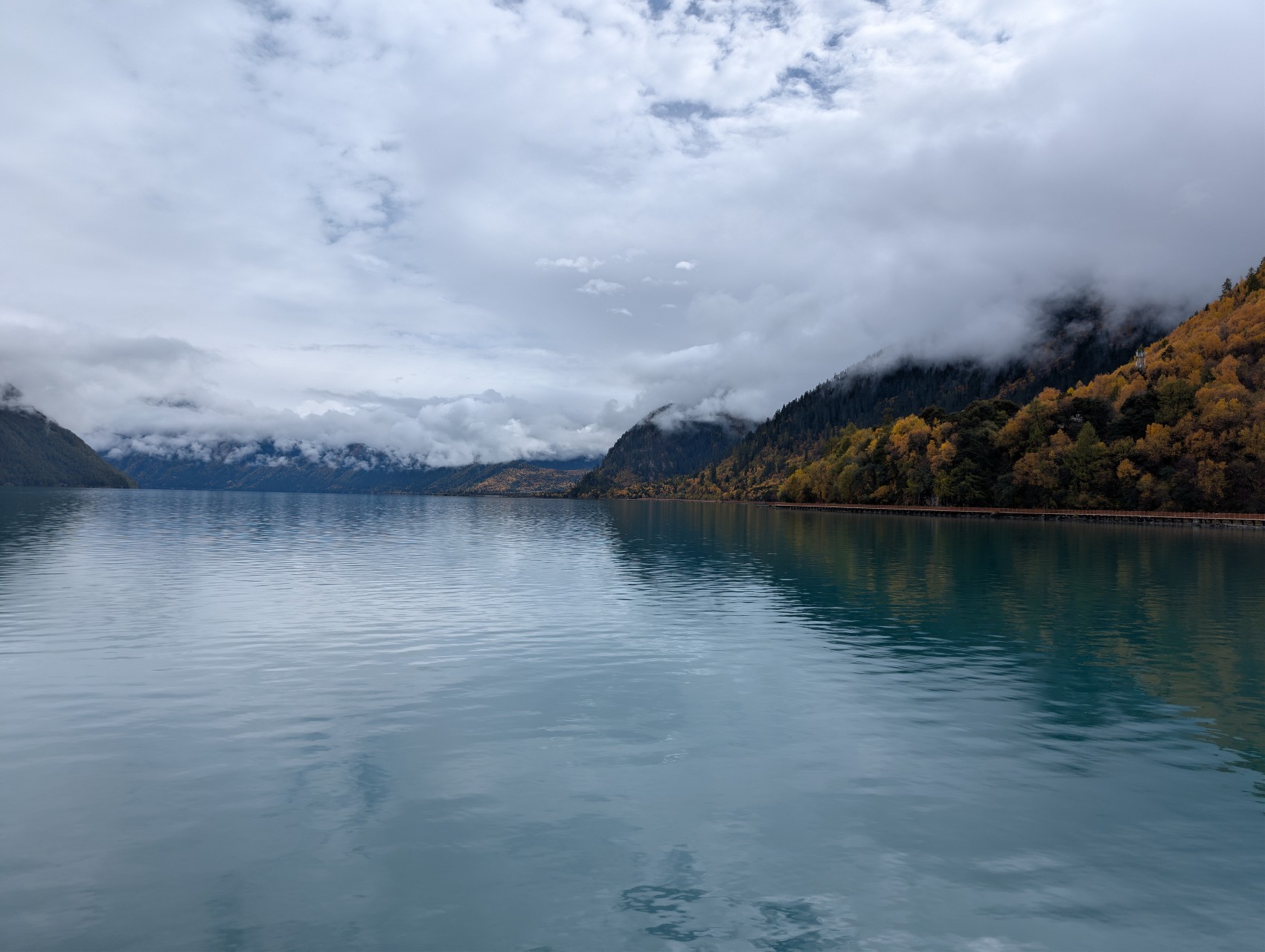
Today, we said goodbye to beautiful Nyingchi and made our way toward Lhasa. On our way, we visited Basong Lake, often called the most beautiful lake in Tibet or “The Alps of Tibet.” And honestly, you can clearly see why (pictures below do all the talking).
This post is part of our 13-day Tibet journey, documenting each day of our journey across Nyingchi, Lhasa, Everest Base Camp, and the Qinghai–Tibet Railway. Read the full itinerary here.
Arrival at Basong Lake Scenic Area
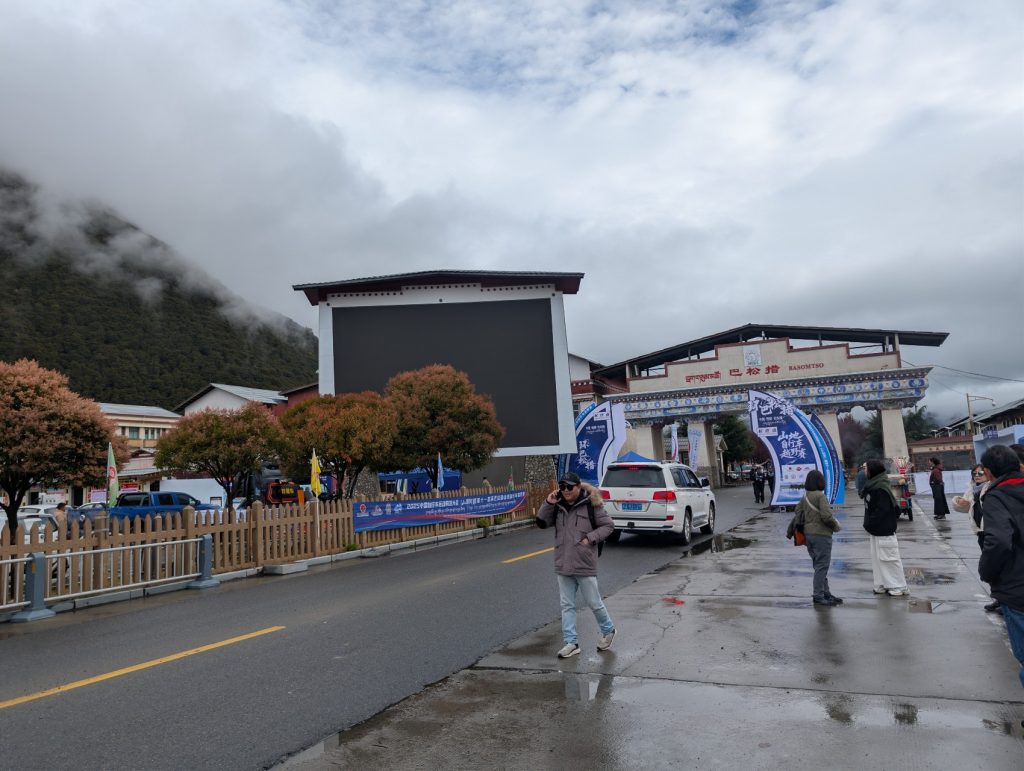
Our tour bus dropped us off at the entrance of Basongcuo Scenic Area while our tour guide went to collect the tickets. From there, we had to transfer to the local scenic buses. I realized this is pretty common in China, as many attractions use their own shuttle systems to ferry visitors around.
While waiting, we spotted a small cart selling roasted chestnuts and sweet potatoes. Wow. I never thought a piping hot sweet potato could taste that good especially in the cold weather. In hindsight, it was a very good decision. We didnt eat much breakfast and definitely needed some energy for the walking ahead.
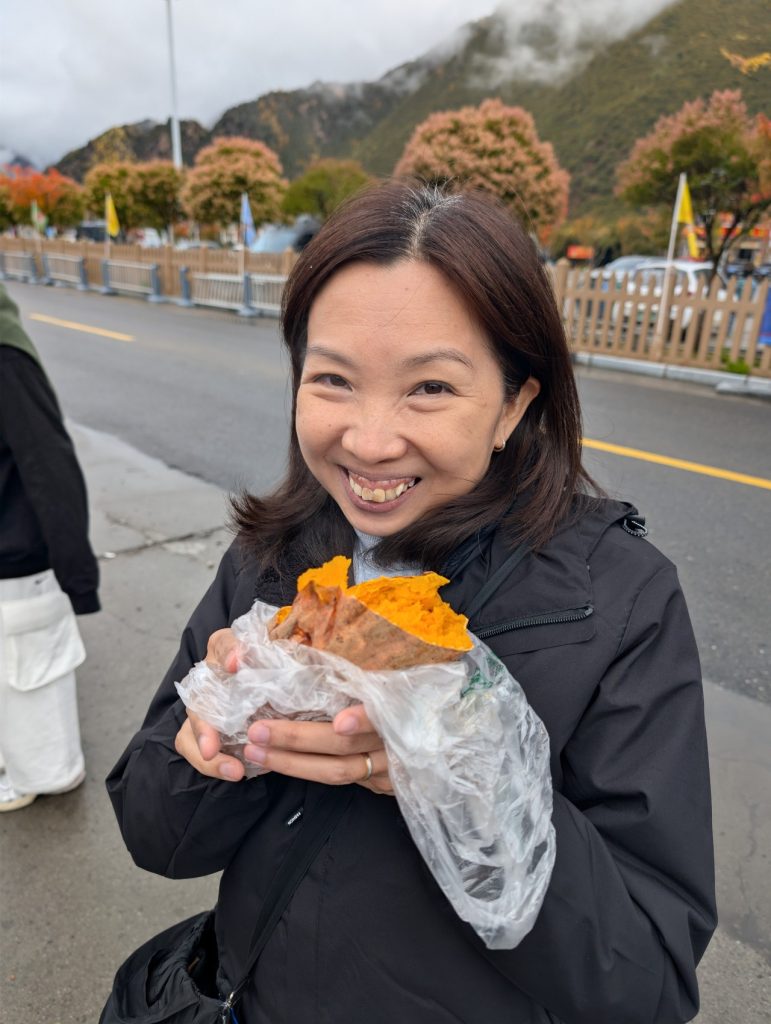
Basong Lake: The Alps of Tibet
Surrounded by snow-capped mountains, dense forests, and pristine wetlands, Basong Lake is known for its crystal-clear turquoise waters. On calm days, the lake reflects the surrounding landscape like a mirror, creating an atmosphere that feels almost unreal. The scenery is serene and unspoiled, offering a rare sense of peace and closeness to nature – almost like paradise on earth.
It’s no wonder Basong Lake is one of Tibet’s most celebrated natural wonders. It holds the prestigious National 5A Tourist Attraction status – the highest rating for scenic destinations in China – and is the only 5A-level attraction in Tibet awarded purely for its natural scenery. Worth noting that it’s also recognised by the World Tourism Organization as a world-class destination.
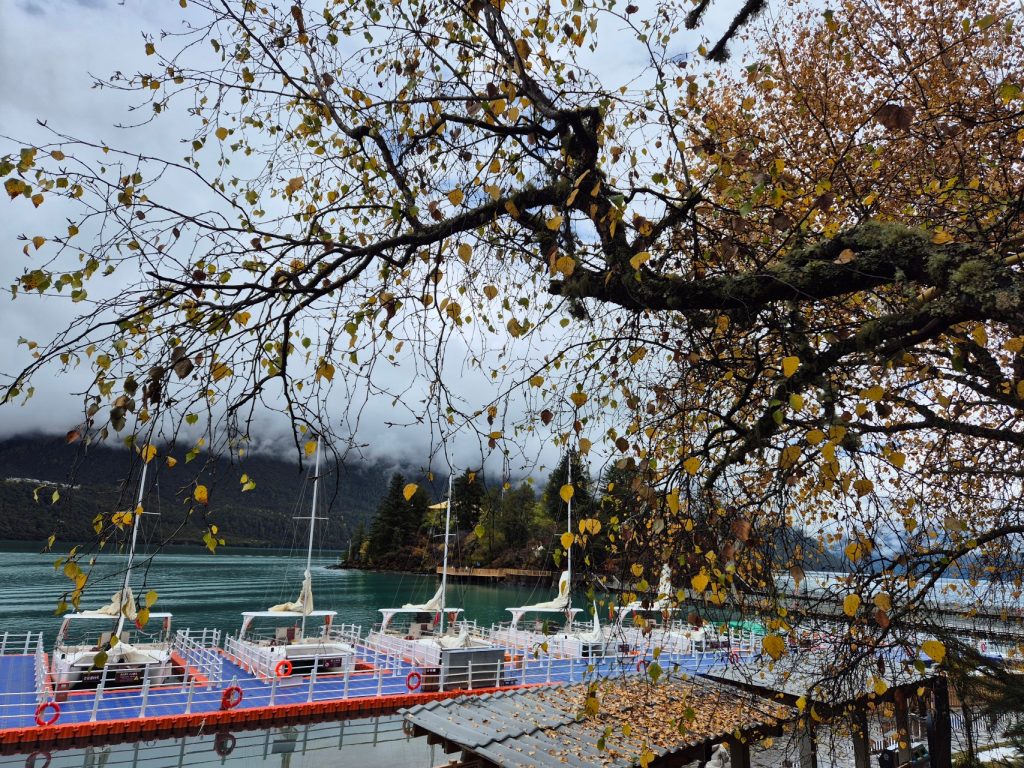
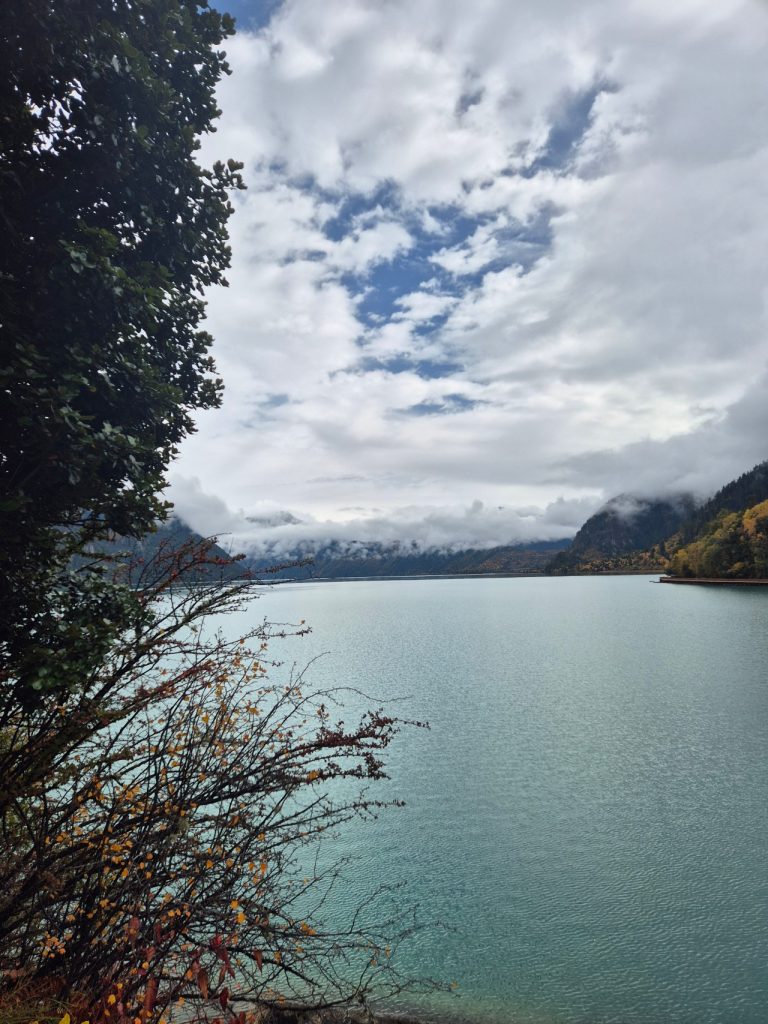
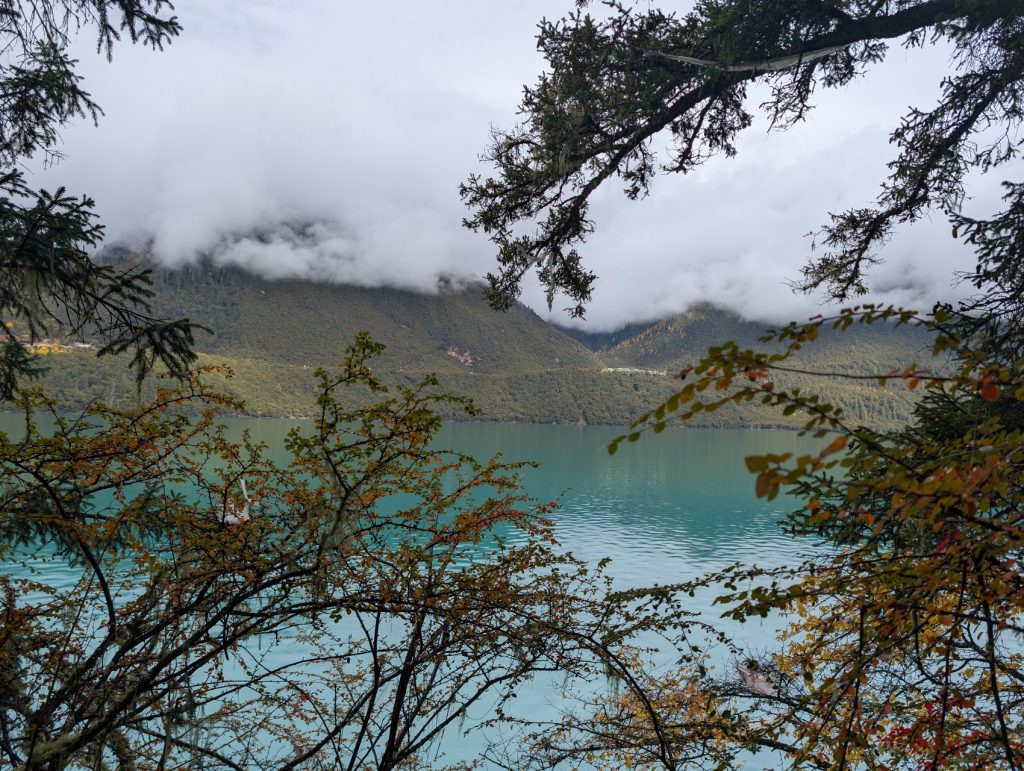
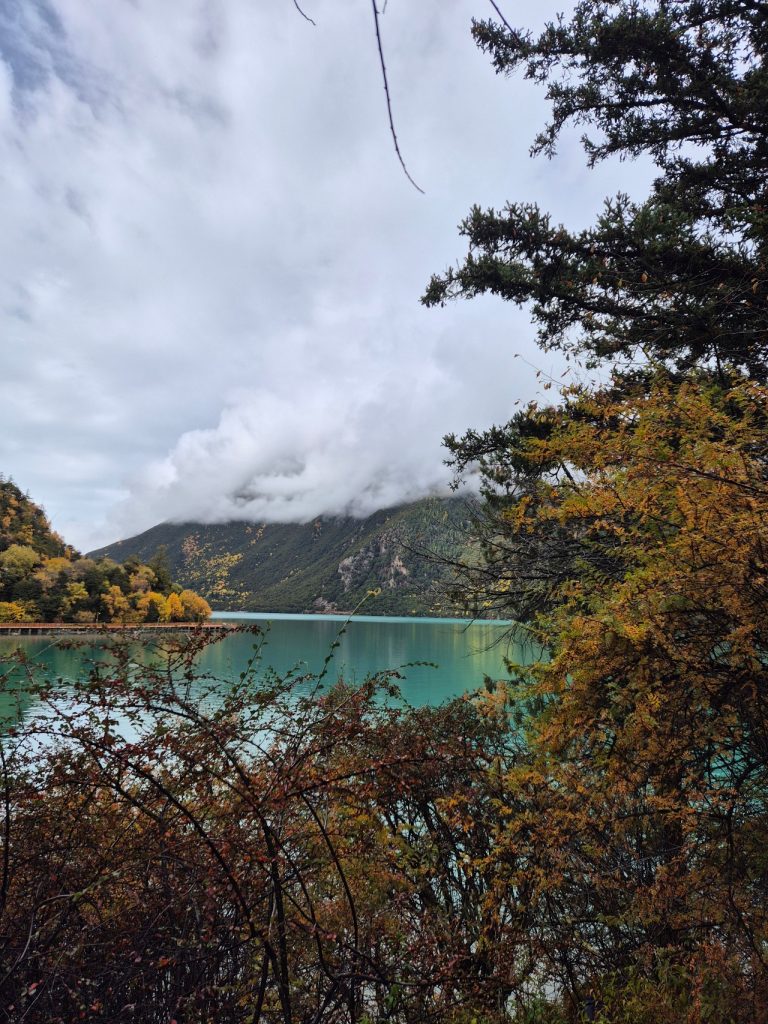
Xianren Island & Tsodzong Monastery
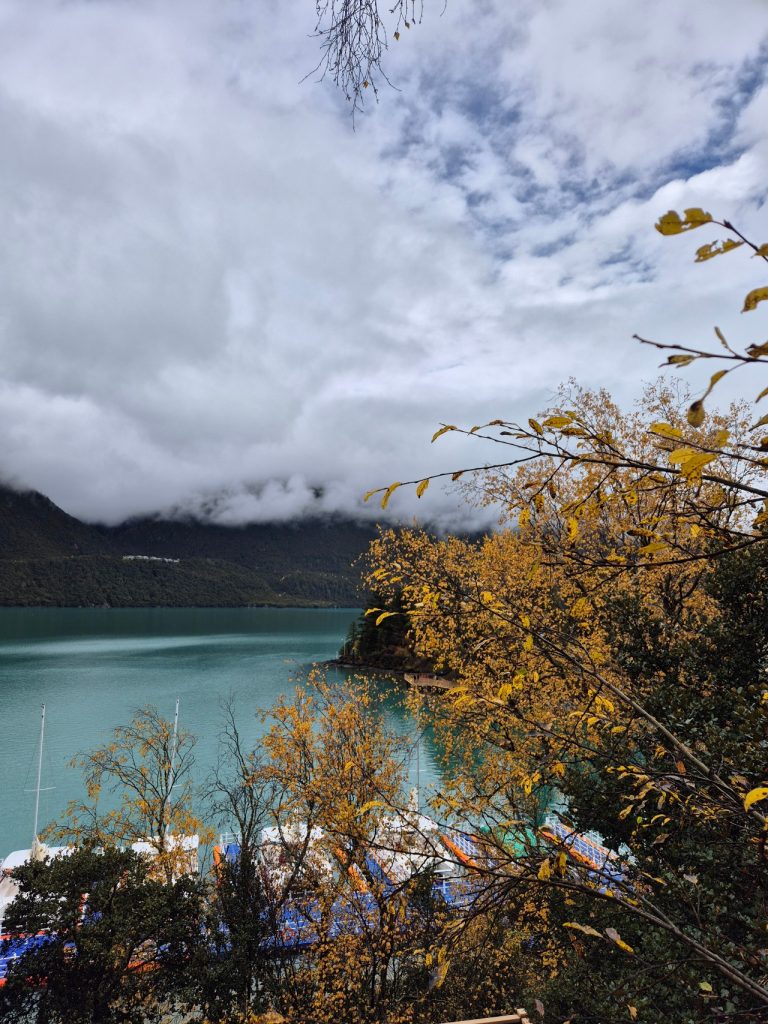
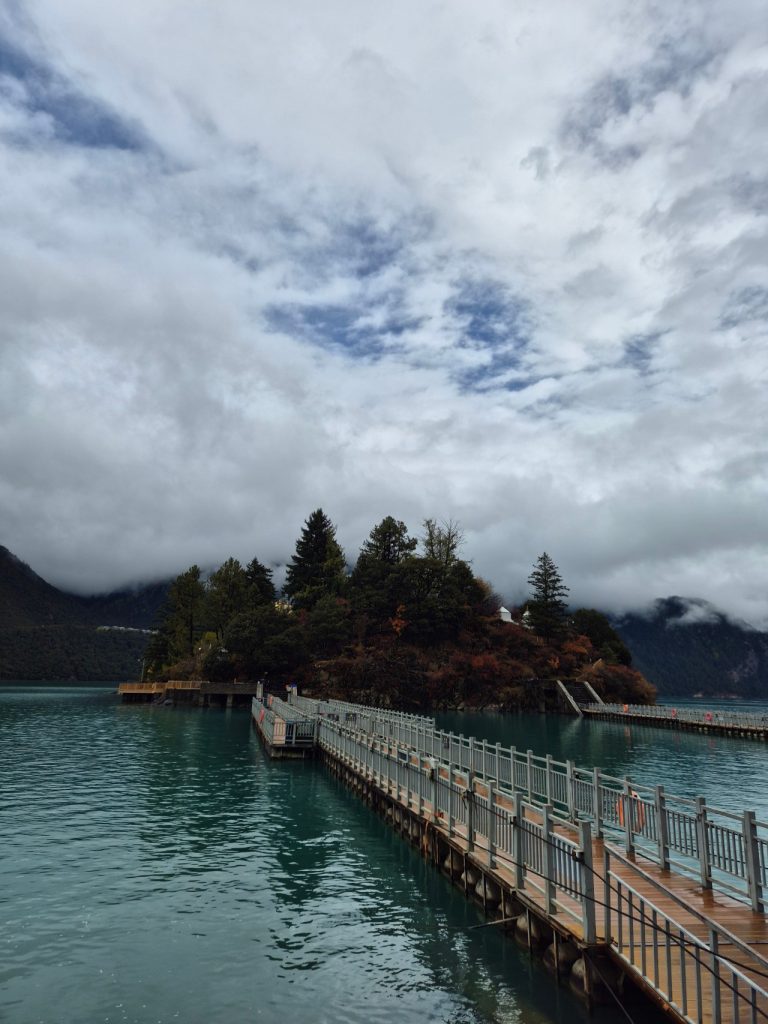
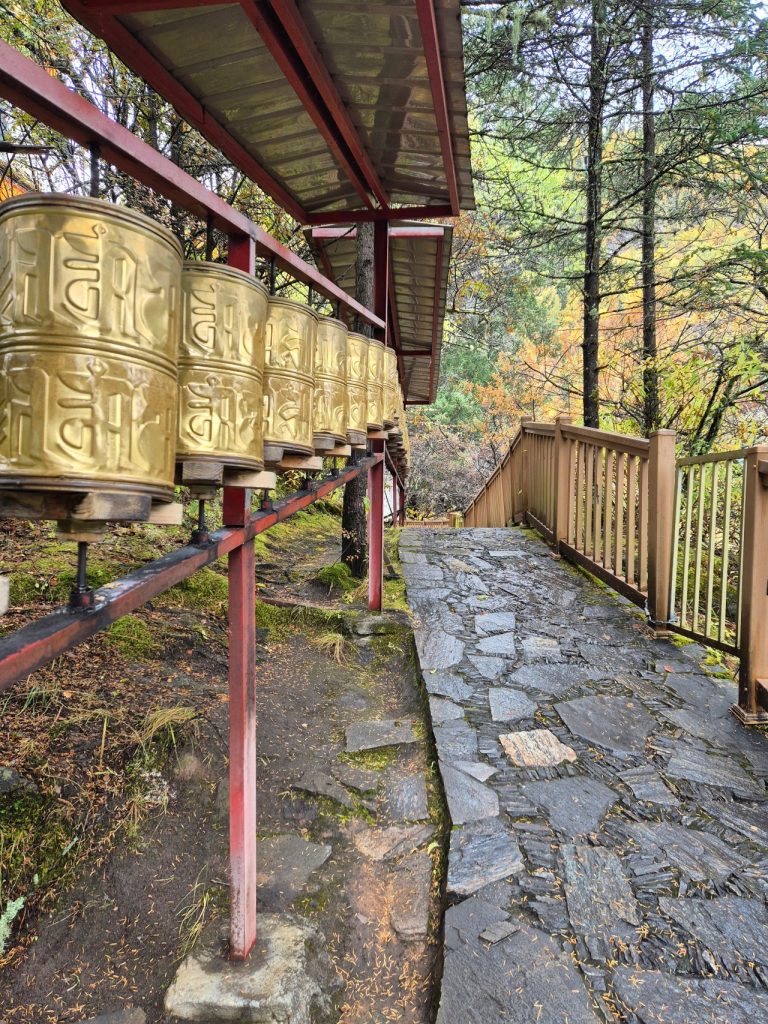
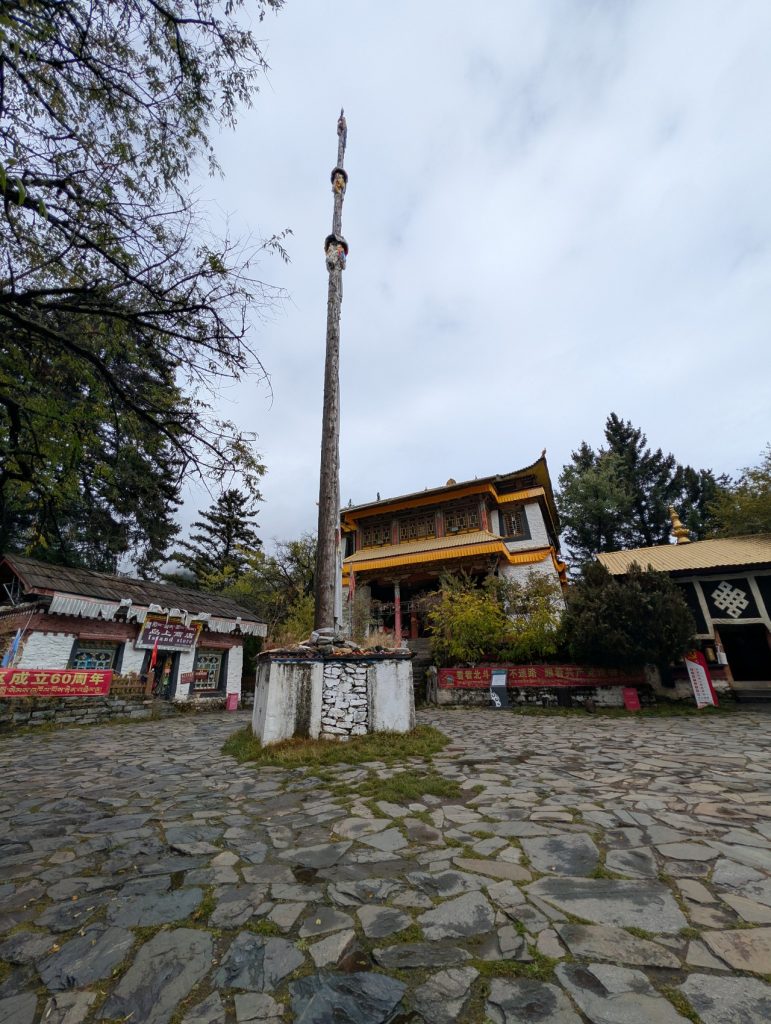
We took a slow stroll across a pontoon bridge to Xianren Island, a small island located in the middle of the lake. The island is home to the historic Tsodzong Monastery, a sacred site dedicated to Guru Padmasambhava and an important place of worship for the Nyingma (Red Sect) school of Tibetan Buddhism.
The monastery’s unique setting, rising from the lake, adds cultural and spiritual depth to the natural beauty of the area. Quiet and very peaceful.
Lunch by the Lake & The Long Road to Lhasa
Lunch was at Himalayas Basongcuo Resort Hotel, located within the scenic area, and man we were absolutely famished by then. After refuelling, it was time to get back on the bus for the long journey ahead – a five-hour drive toward Lhasa.
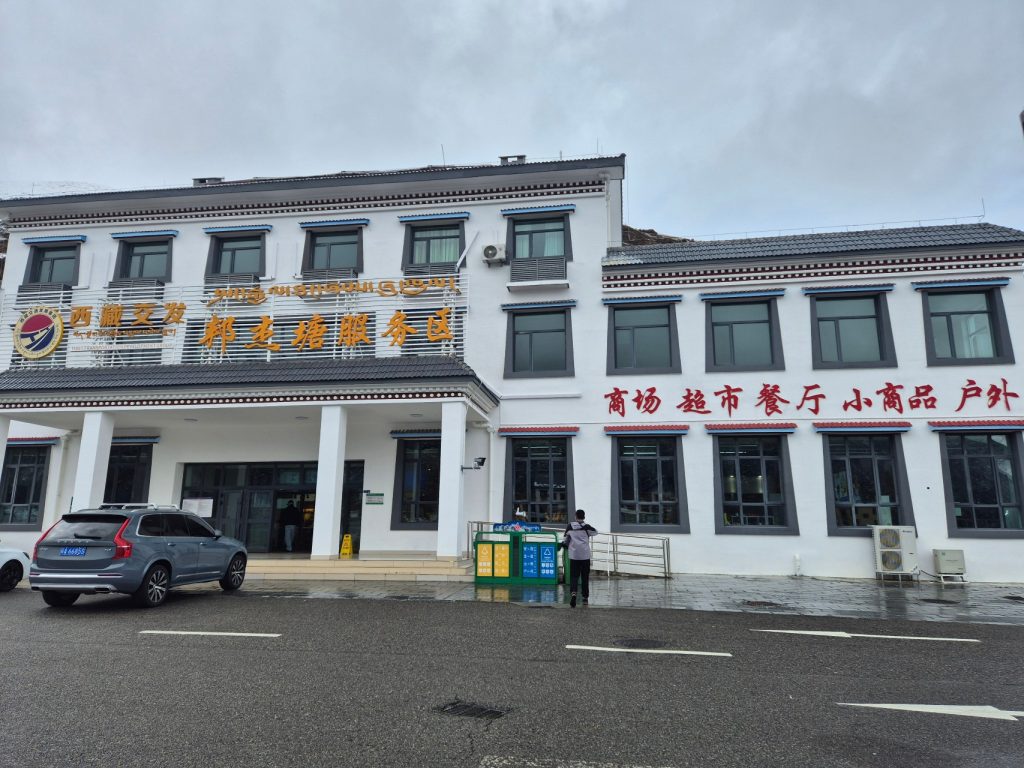
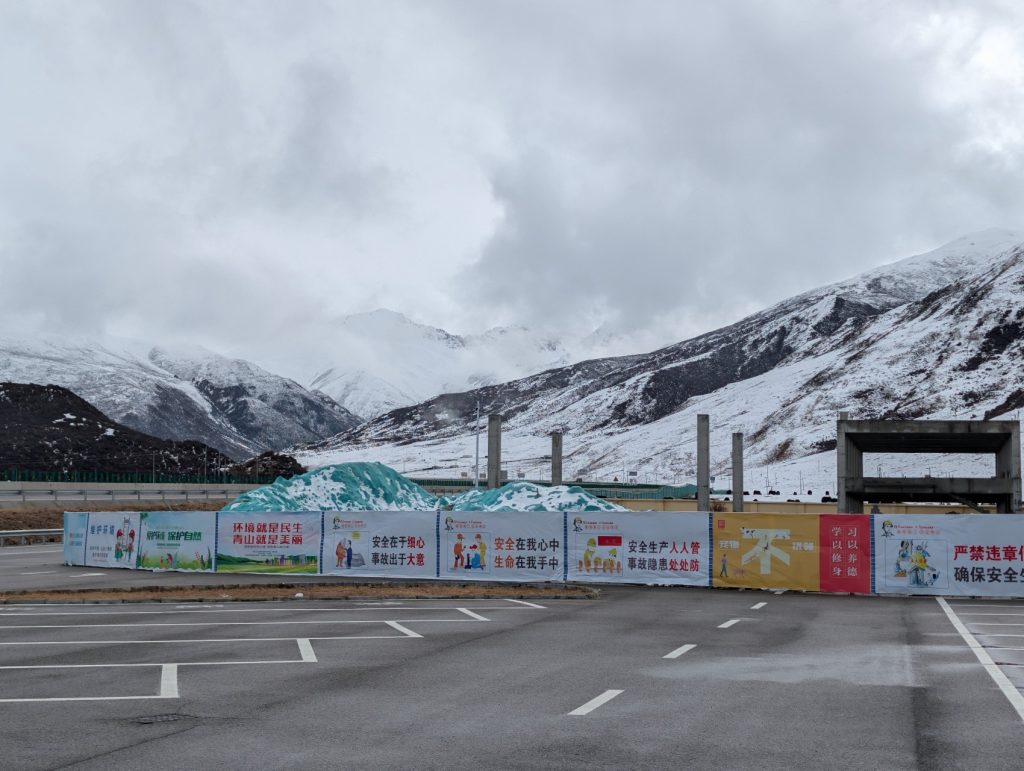
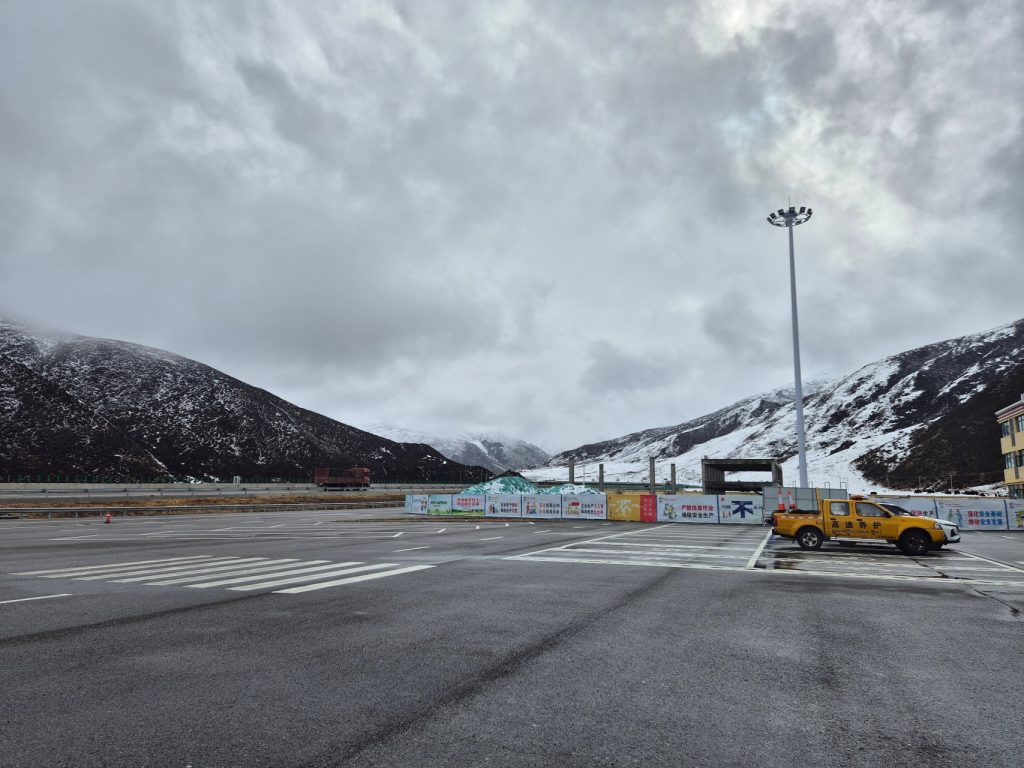
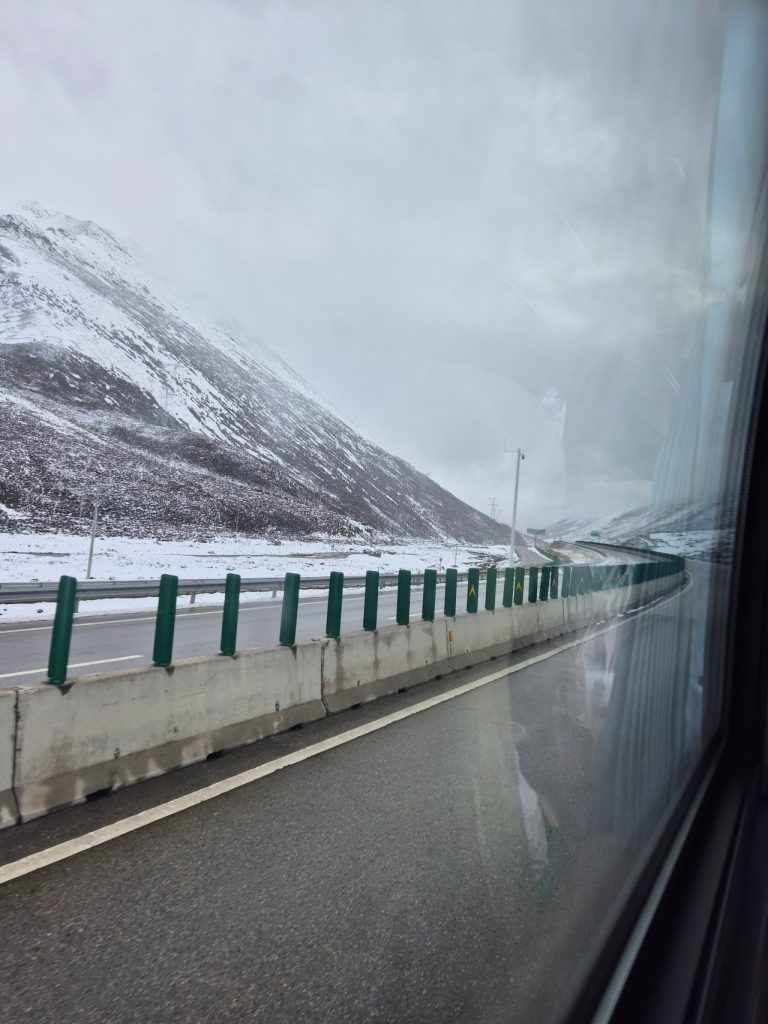
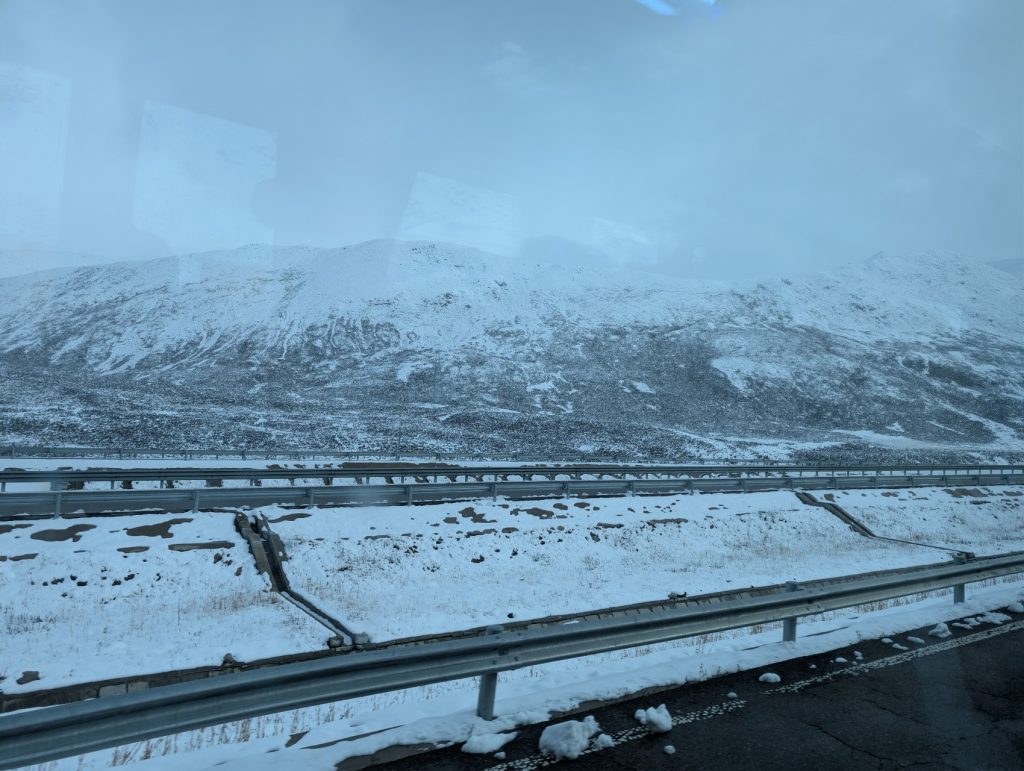
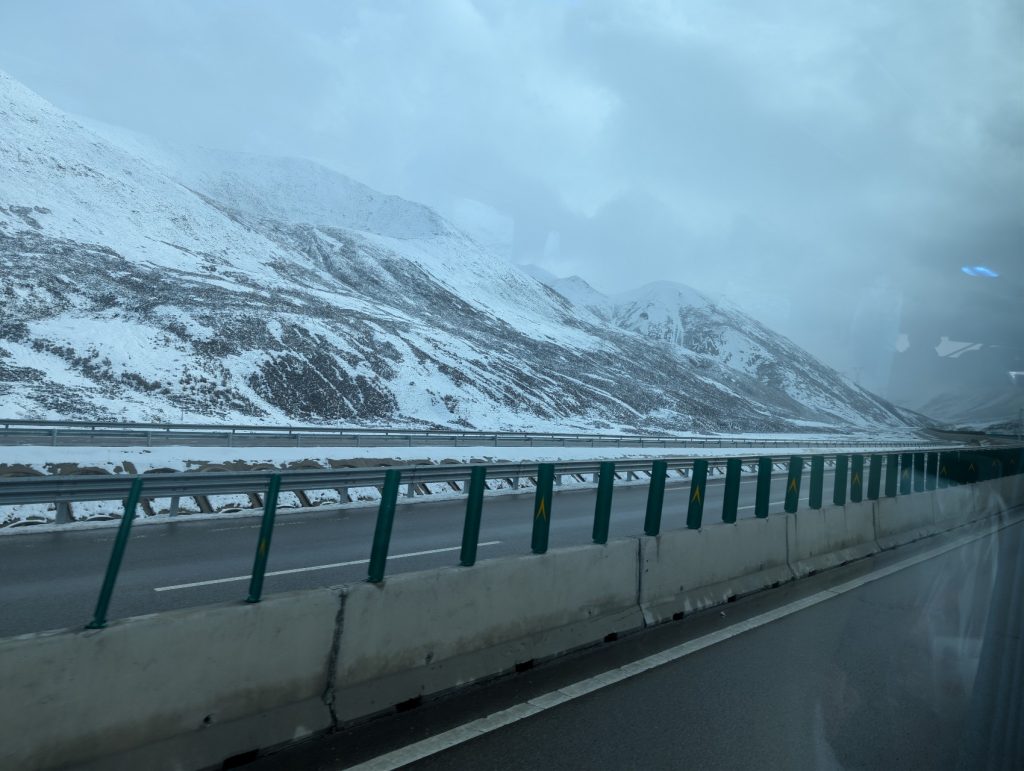
To reach Lhasa, we had to cross Mila Mountain, which stands at 5,230 metres. It’s the highest highway pass on China National Highway 318 (G318) and marks the border between Nyingchi and Lhasa Prefectures. Our tour guide reminded us not to nap during the ascent – staying awake will help the body acclimatise better to the altitude. So we stayed up and admired the passing views instead.
Crossing Mila Mountain: A Dramatic Landscape Shift
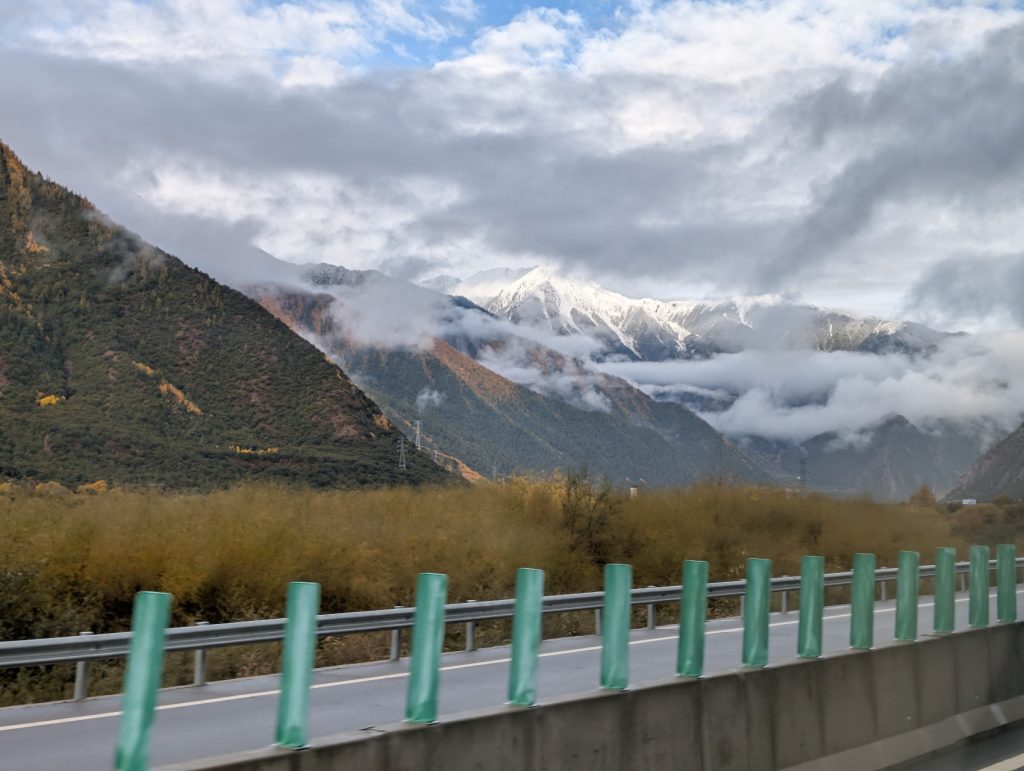
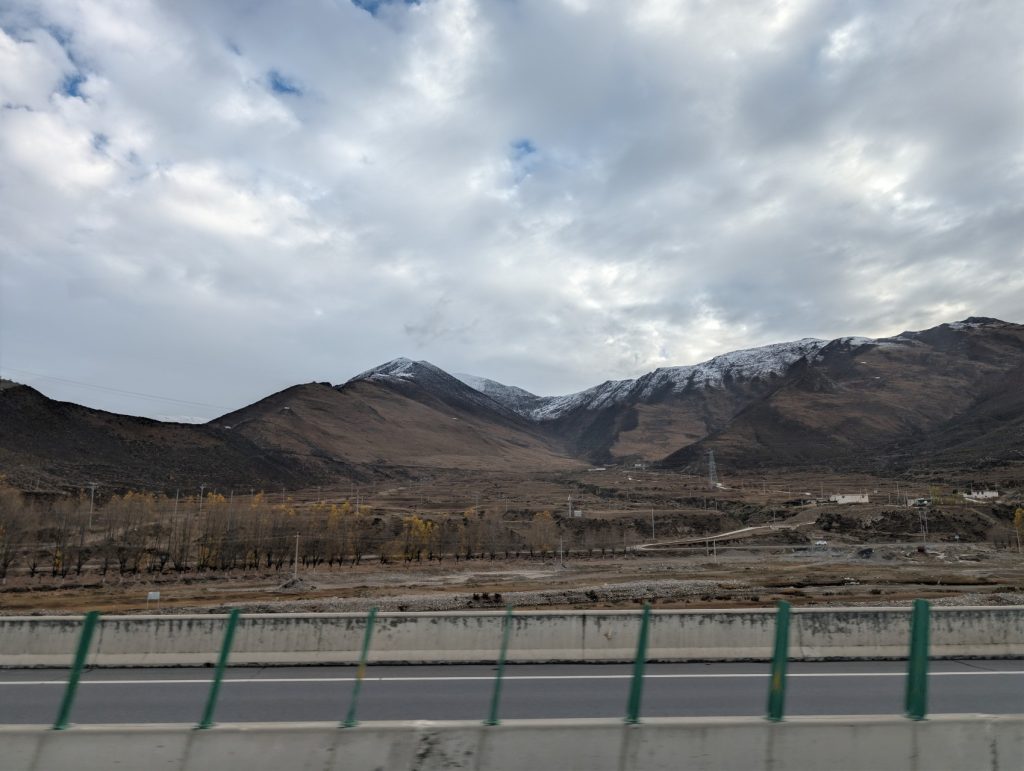
Just before entering the Mila Mountain Tunnel, our tour guide pointed out something very interesting – the dramatic contrast in scenery before and after crossing the pass. On the Nyingchi side, everything was lush, green, and forested. Once we crossed into Lhasa, the landscape became noticeably browner, drier, and more barren, almost desert-like.
Arriving in Lhasa: Tibet’s Sacred City
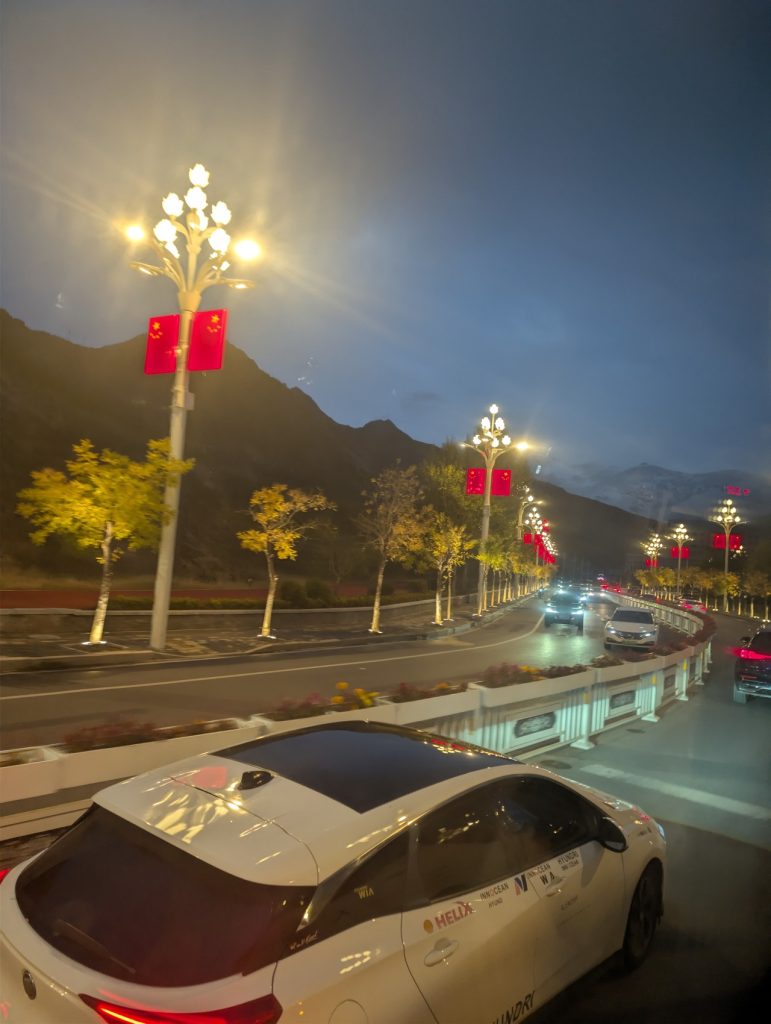
We finally arrived in Lhasa around 7pm. With over 1,300 years of history, Lhasa is the administrative, cultural, economic, and spiritual heart of Tibet. Moreover, it’s also known as the “sun-lit city” thanks to its long daylight hours. Fun fact: Lhasa literally means “sacred place” in Tibetan – which makes complete sense once you realize how deeply religion and spirituality are woven into daily life here.
Dinner and check in to Shangri-La Hotel Lhasa
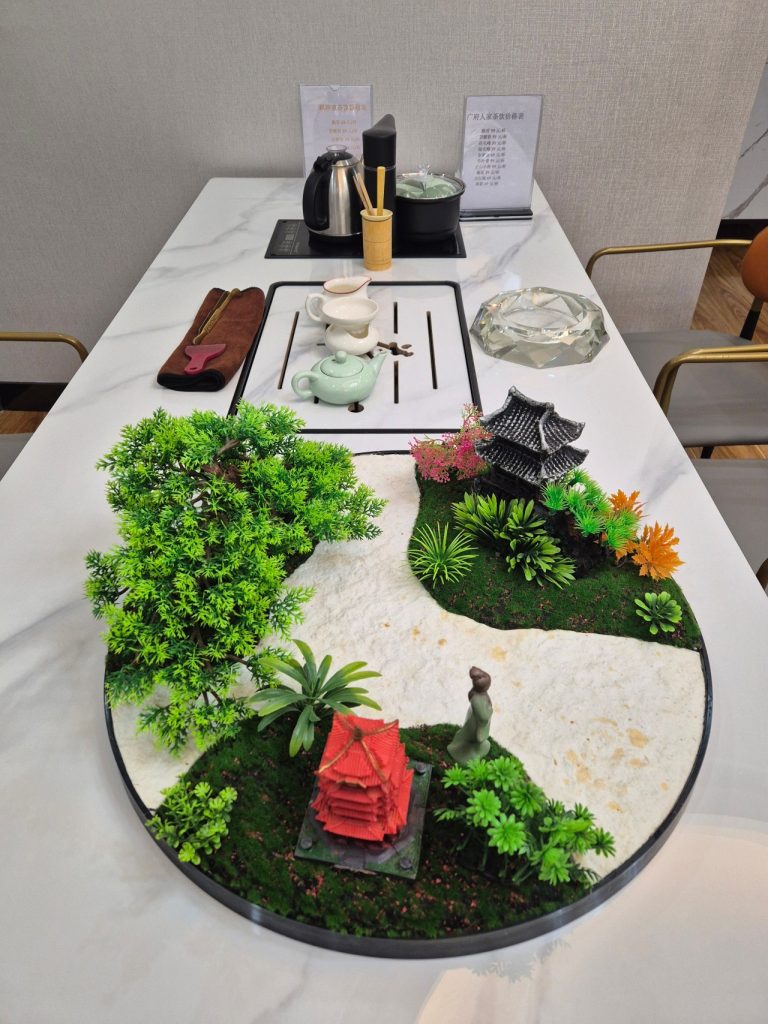
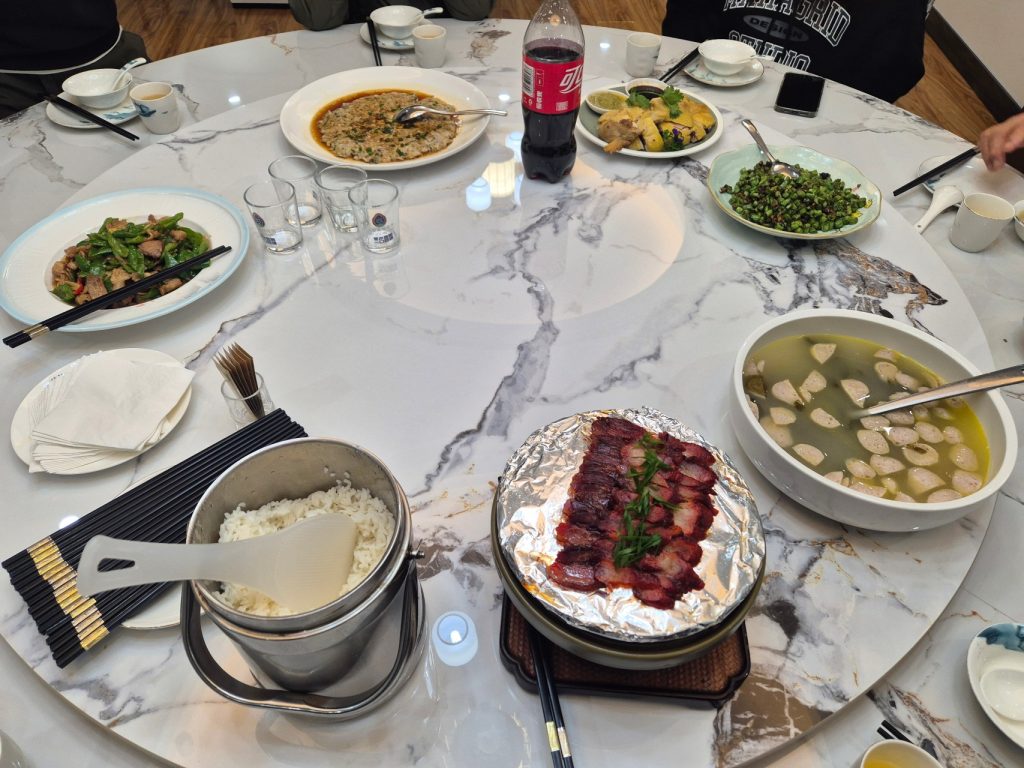
We headed out for dinner first, and interestingly enough, the private dining room came with both a tea table and a mahjong table. Despite that, I didn’t eat much. Between the long day on the road and the altitude, I was pretty exhausted and just wanted to rest.
After dinner, we checked into Shangri-La Hotel Lhasa. Worth mentioning – the hotel has a 24-hour oxygen bar and an in-house doctor, which was honestly very reassuring to know. Furthermore, each room is also equipped with an oxygen concentrator and humidifier, and our tour guide advised us to keep them on overnight.
Tonight, there was only one plan: rest and acclimatize. After such a long day, it felt good to finally settle in and let our bodies adjust.
One last important note: no showers tonight – altitude rules.
Continue reading: Day 5: A Full Day in Lhasa
Leave a Reply