
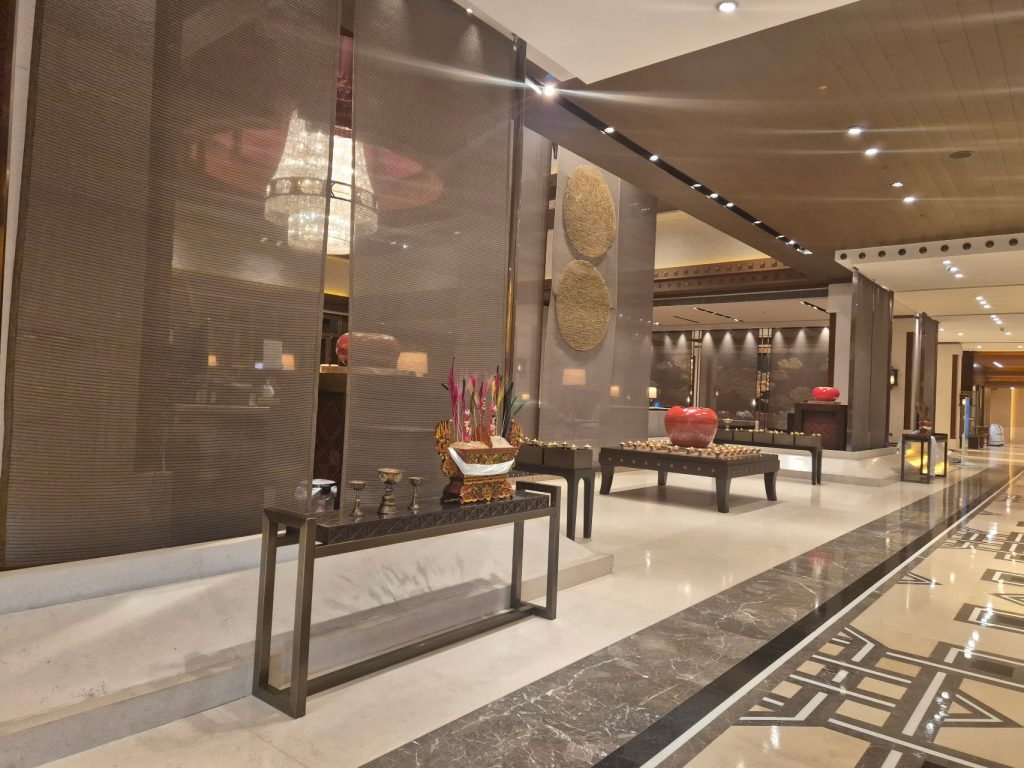
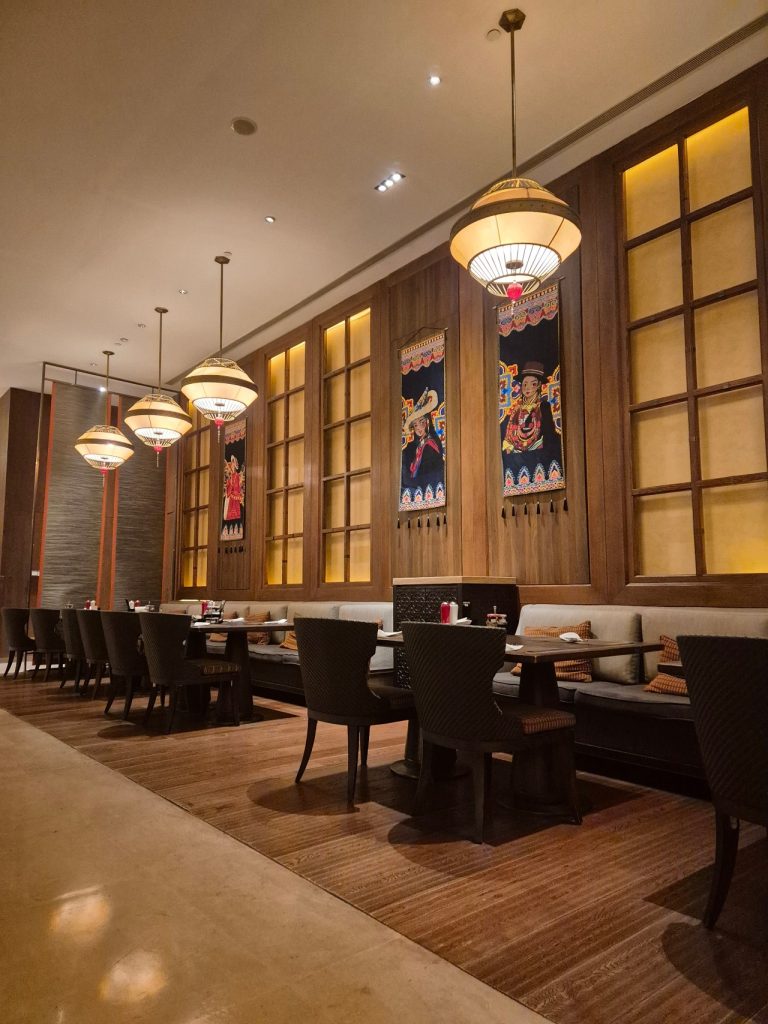
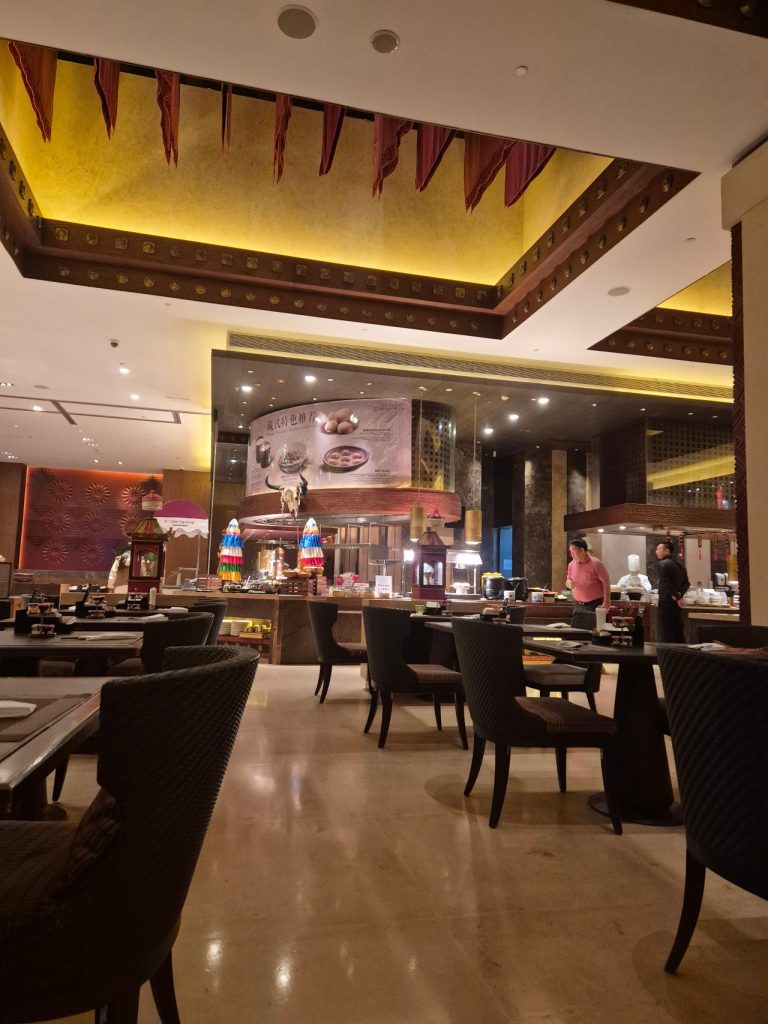
Another early start today with breakfast at 6.30am. We made our way down to the grand hotel lobby and had breakfast at Cloudtop Cafe. Unsurprisingly, the place was almost empty. Way too early for most people, but we had a packed day ahead in Lhasa
This post is part of our 13-day Tibet journey, documenting each day of our journey across Nyingchi, Lhasa, Everest Base Camp, and the Qinghai–Tibet Railway. Read the full itinerary here.
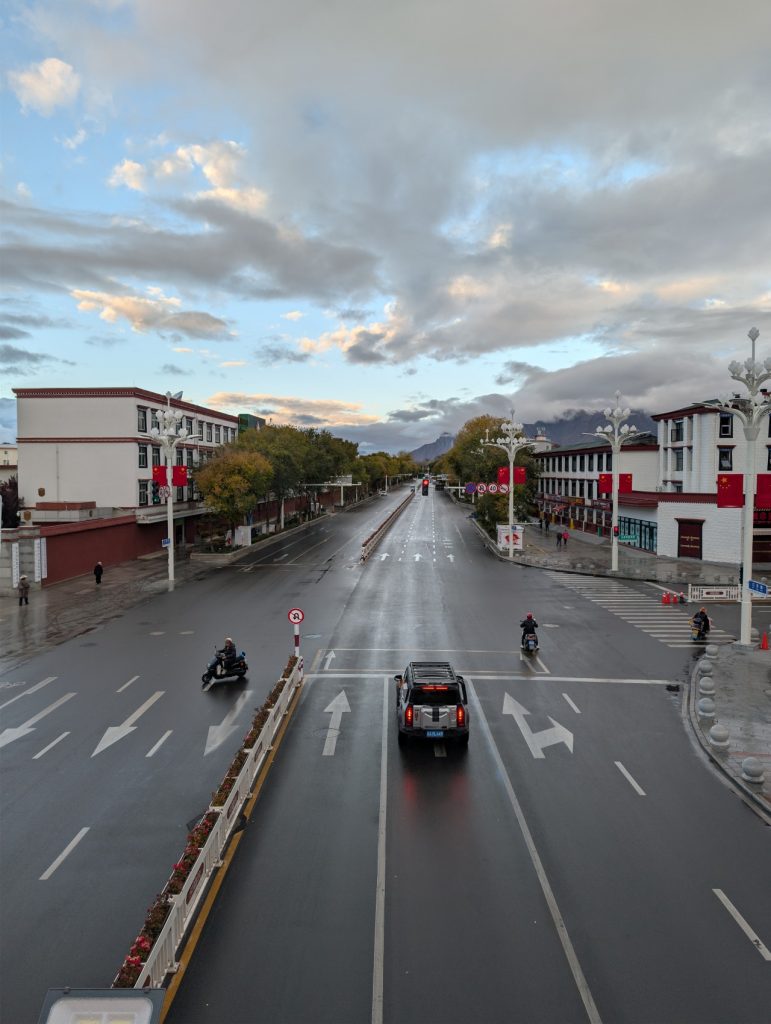
Because entry times to Potala Palace are strictly controlled, our itinerary had to be adjusted around our ticket timing. So instead of heading straight there, we first visited Barkhor Street and Jokhang Temple, which were only about a 10-minute drive away.
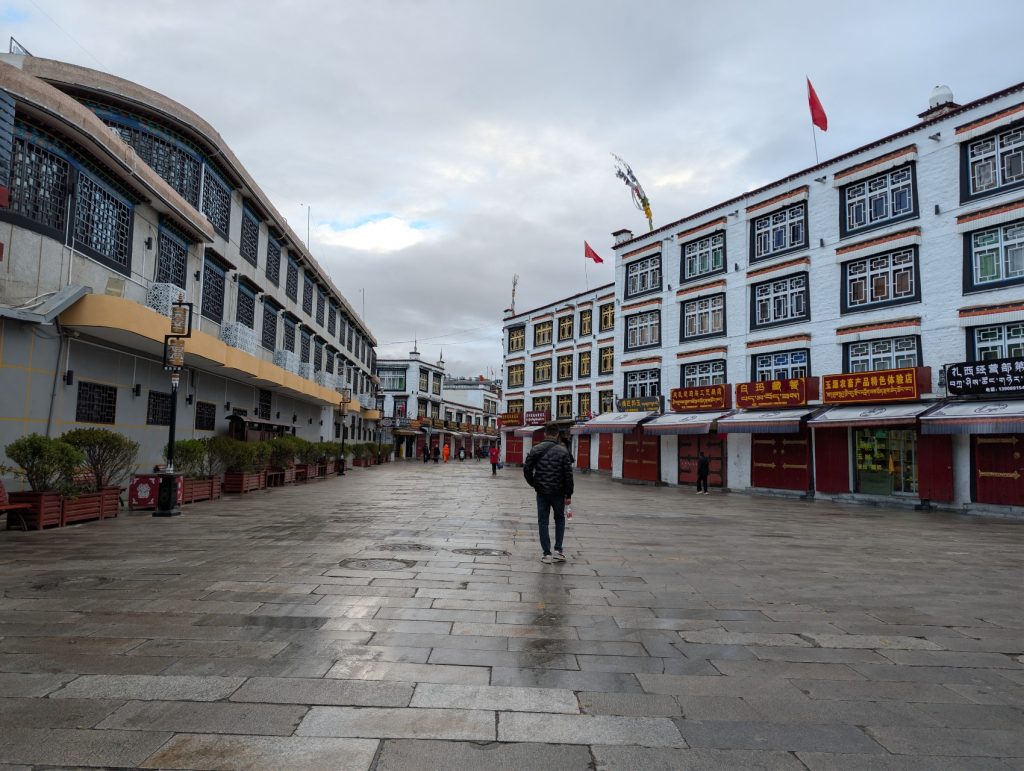
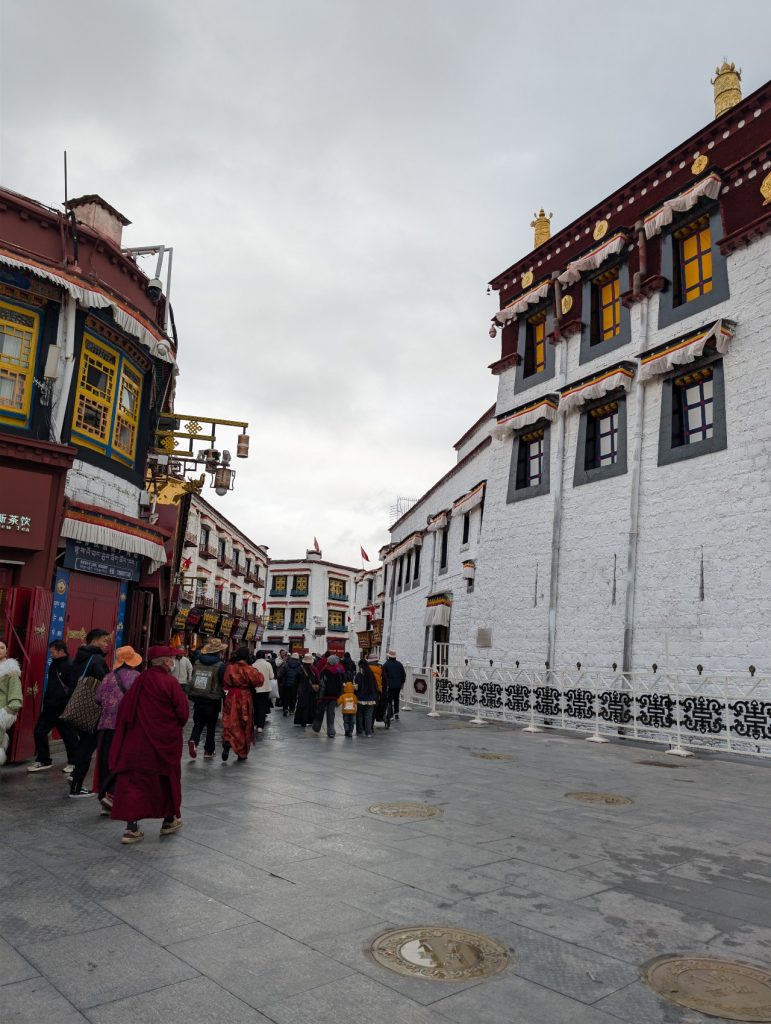
Barkhor Street (Early Morning Edition)
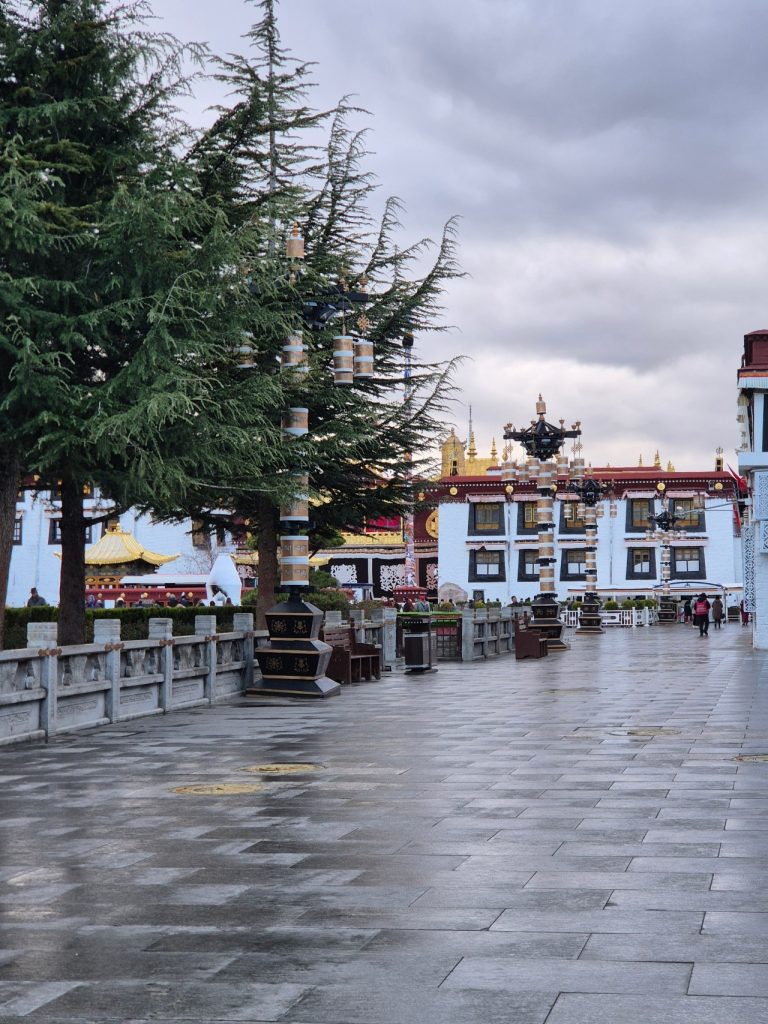
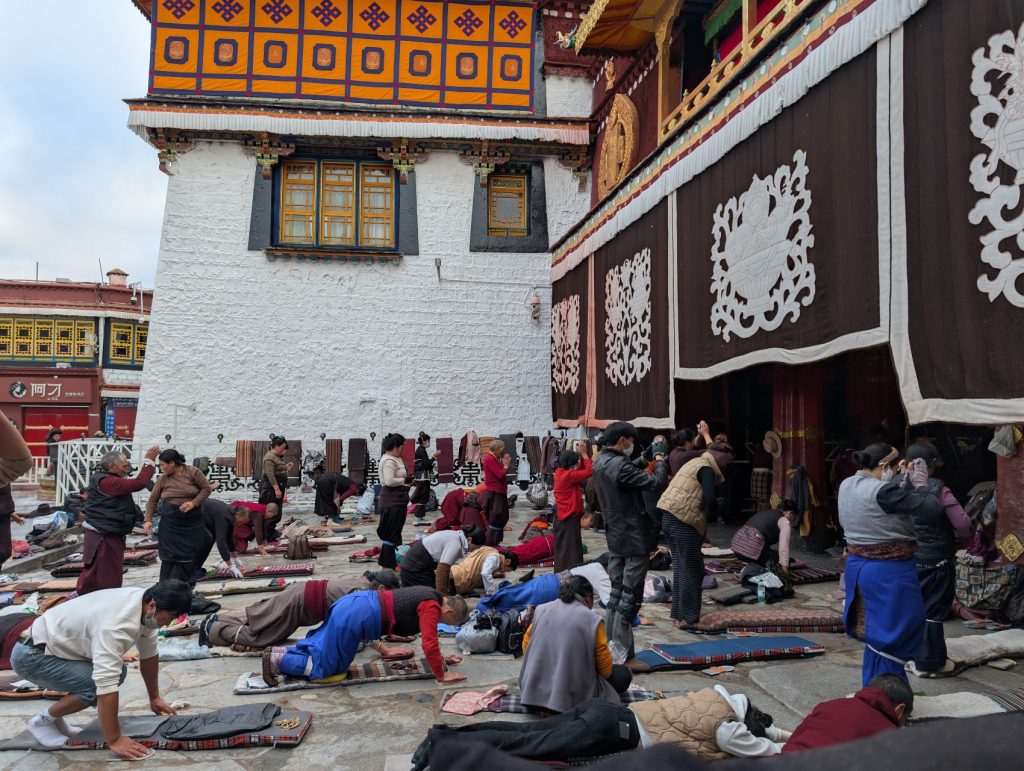
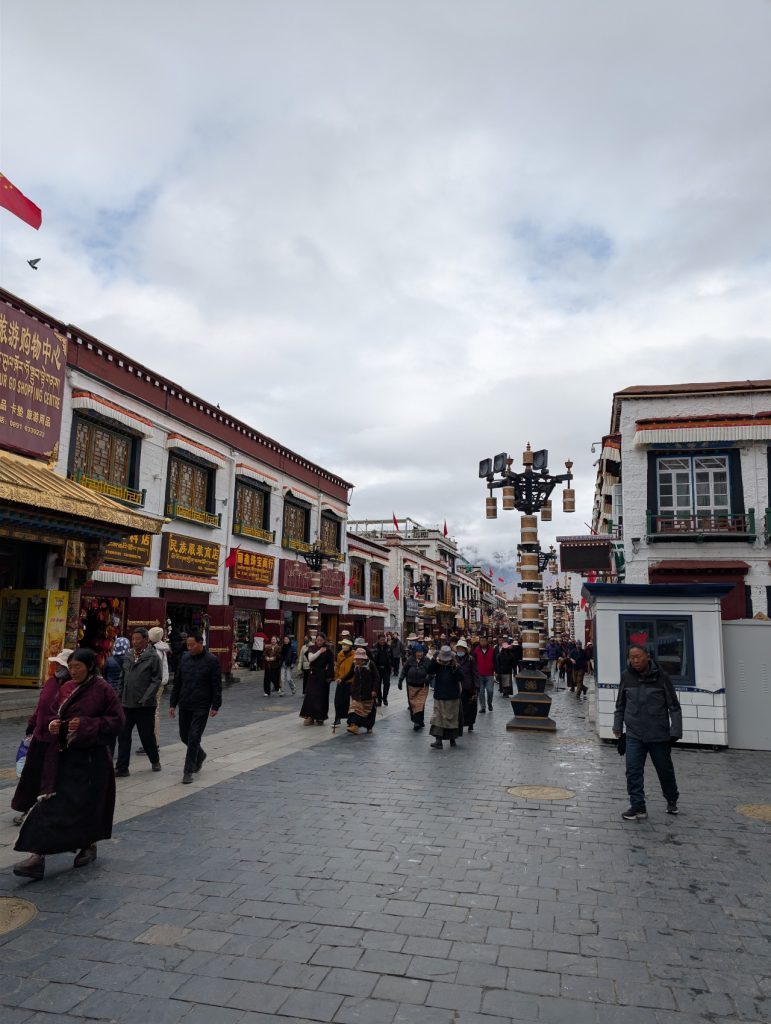
To me, Barkhor Street is unlike any walking street I’ve ever been. It’s not just a pedestrian street, it’s more of a spiritual route. Pilgrims walk clockwise around the sacred Jokhang Temple, spinning prayer wheels, chanting mantras, and performing full-body prostrations as part of their daily devotion. You can really see and feel the spiritual energy here. This isn’t something put on for tourists, it’s everyday life for the Tibetan locals, and witnessing it felt powerful.
The street is also lined with shops selling religious crafts like prayer beads, thangkas, incense, yak wool products, and colourful souvenirs. We were there very early, so most of the shops were still closed, but that made the experience even more special. Instead of crowds, we saw locals quietly making their way toward Jokhang Temple for morning prayers, watching pilgrims perform full-body prostrations outside the temple.
Jokhang Temple – The Spiritual Heart of Tibetan Buddhism
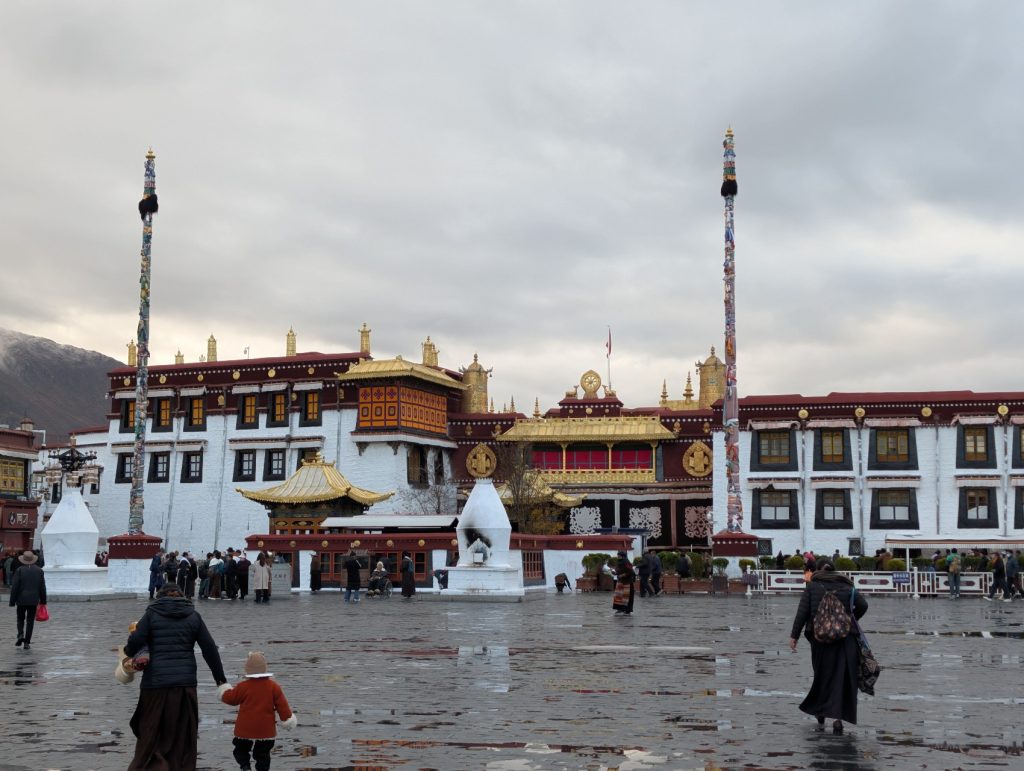
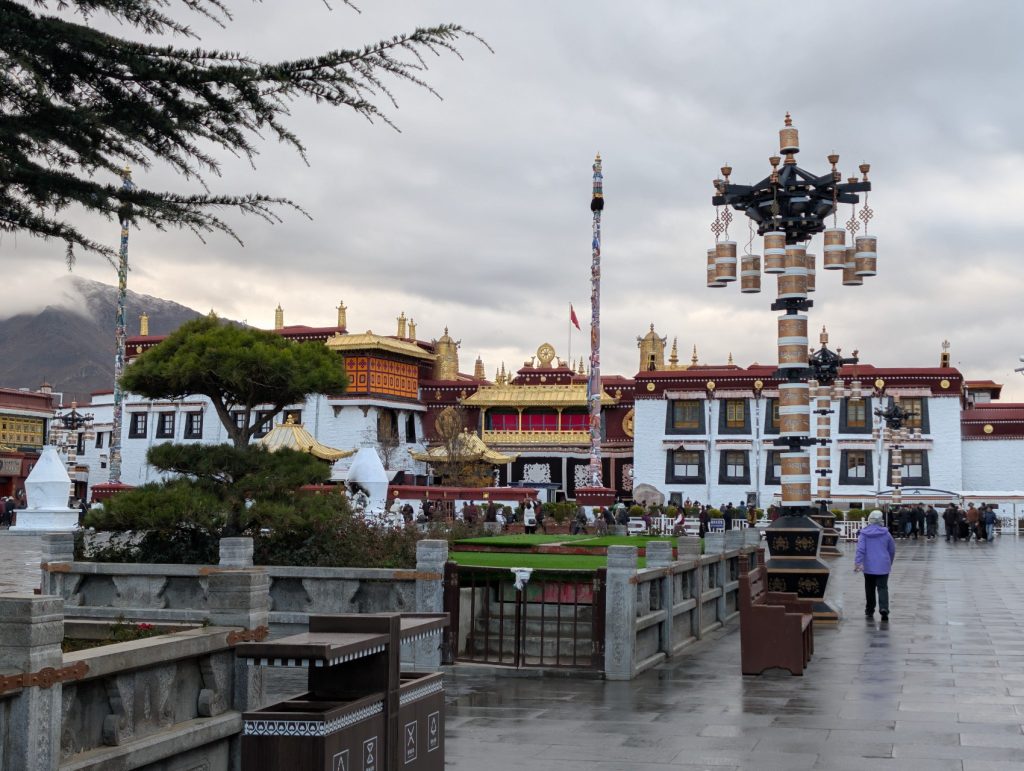
We then entered Jokhang Temple, often described as the “spiritual heart of Lhasa” and the most sacred temple in Tibet, with over 1,350 years of history. Inside, it houses the Jowo Shakyamuni statue – a life-sized image of the 12-year-old Buddha, said to have been consecrated by the historical Buddha himself and brought to Tibet by Princess Wencheng of the Tang Dynasty.
Photography is strictly prohibited inside the temple so no more photos from this point onwards. Our tour guide shared a useful rule of thumb: if you can’t see the sky or daylight, don’t take photos or videos. We followed this rule throughout the entire trip, especially at religious sites.
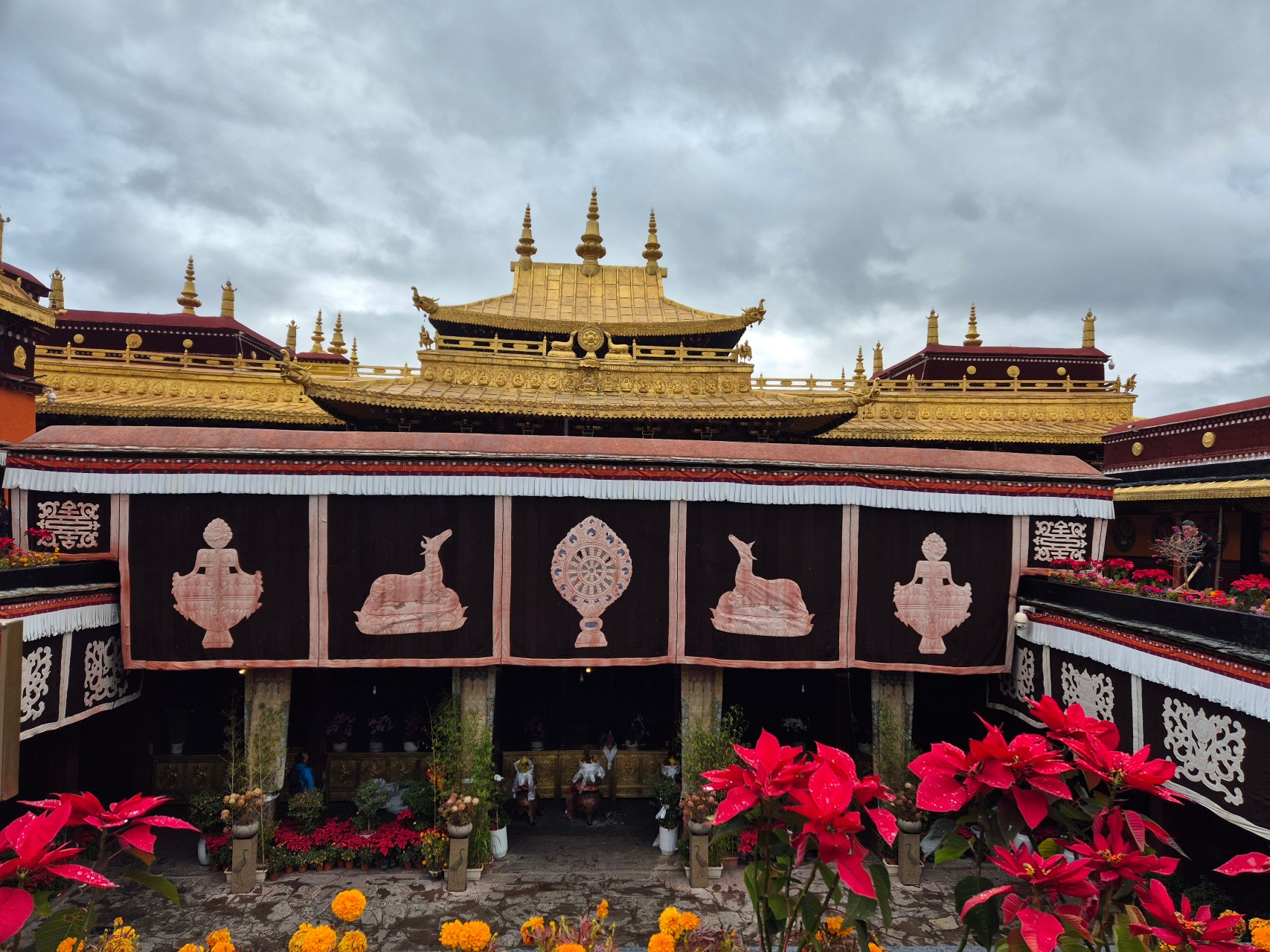
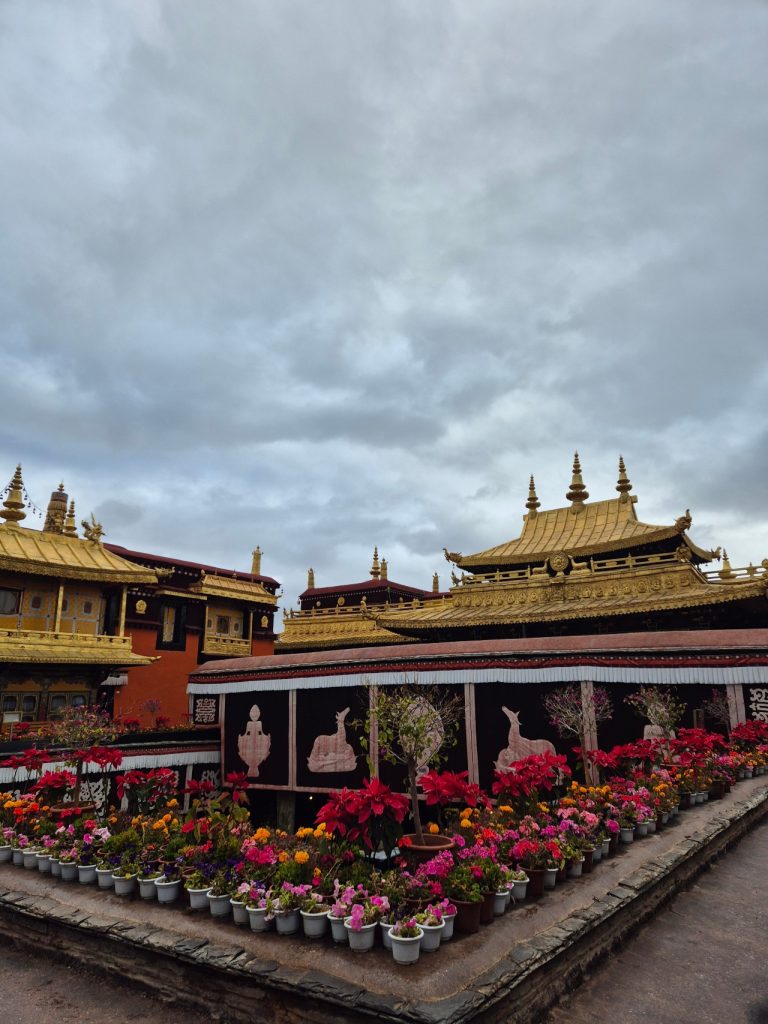
After visiting the temple, we joined the pilgrims and completed one full clockwise Kora around Jokhang Temple ourselves – a small but meaningful moment.
You Can’t Say You’ve Been to Tibet Without Visiting Potala Palace
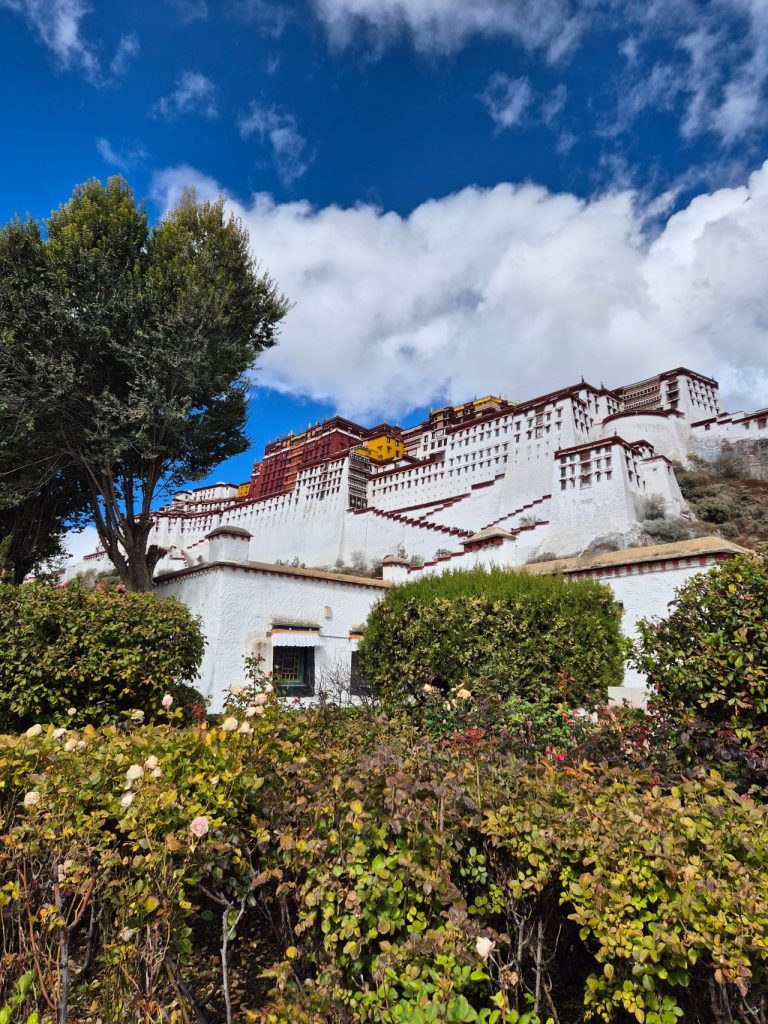
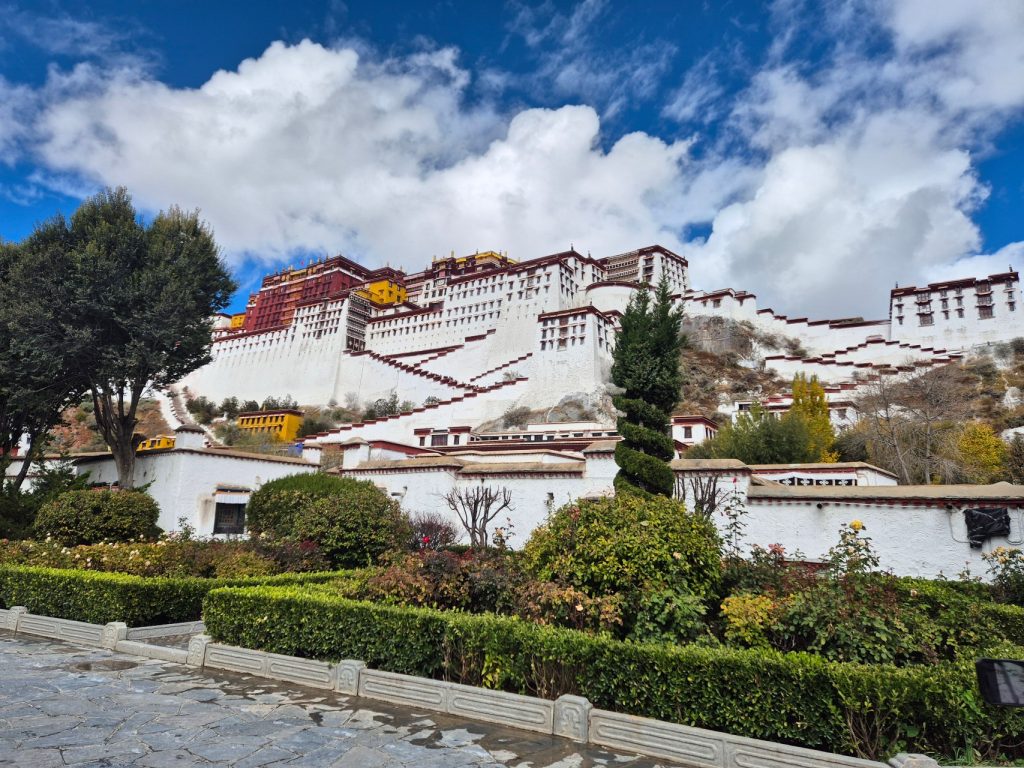
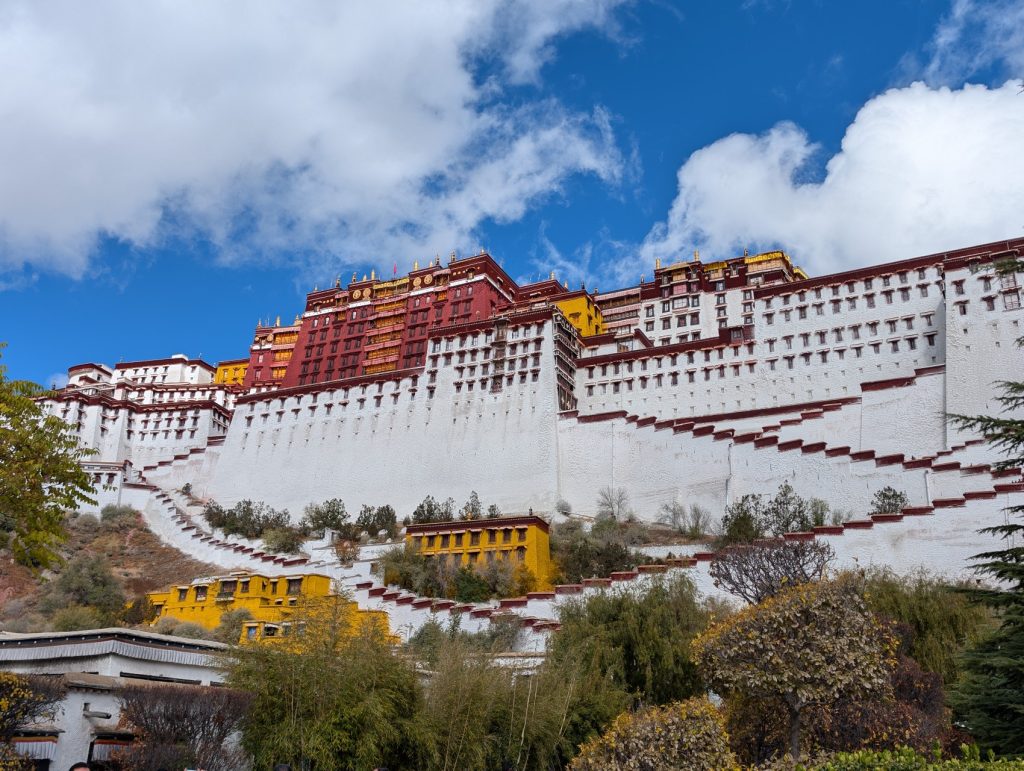
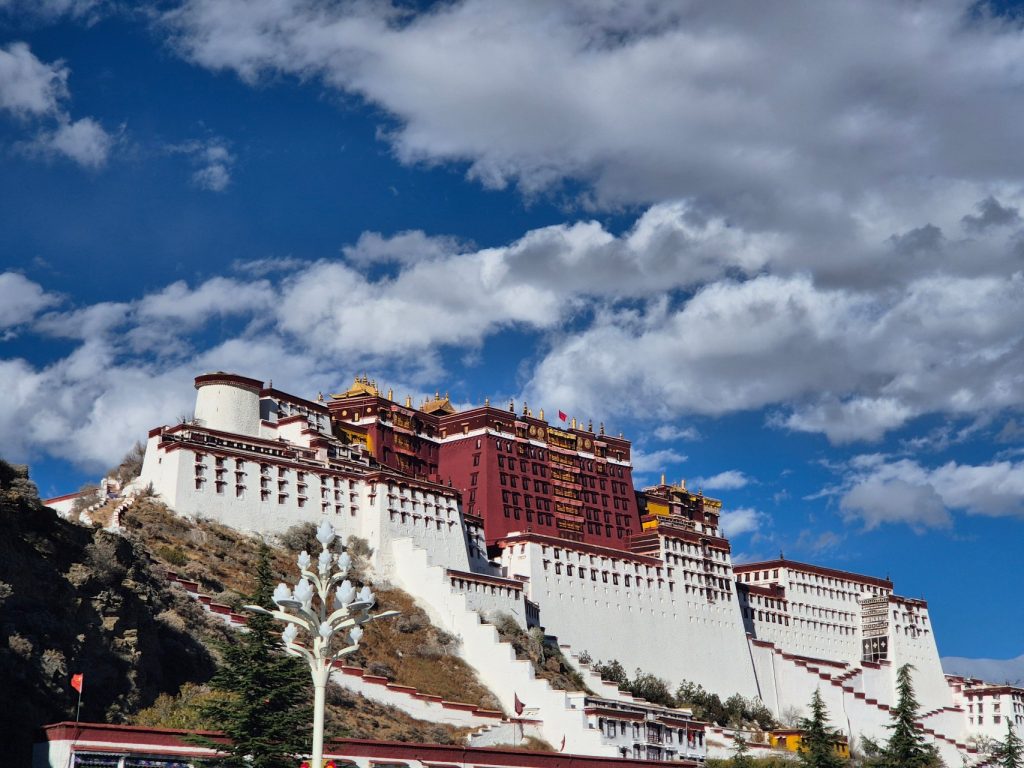
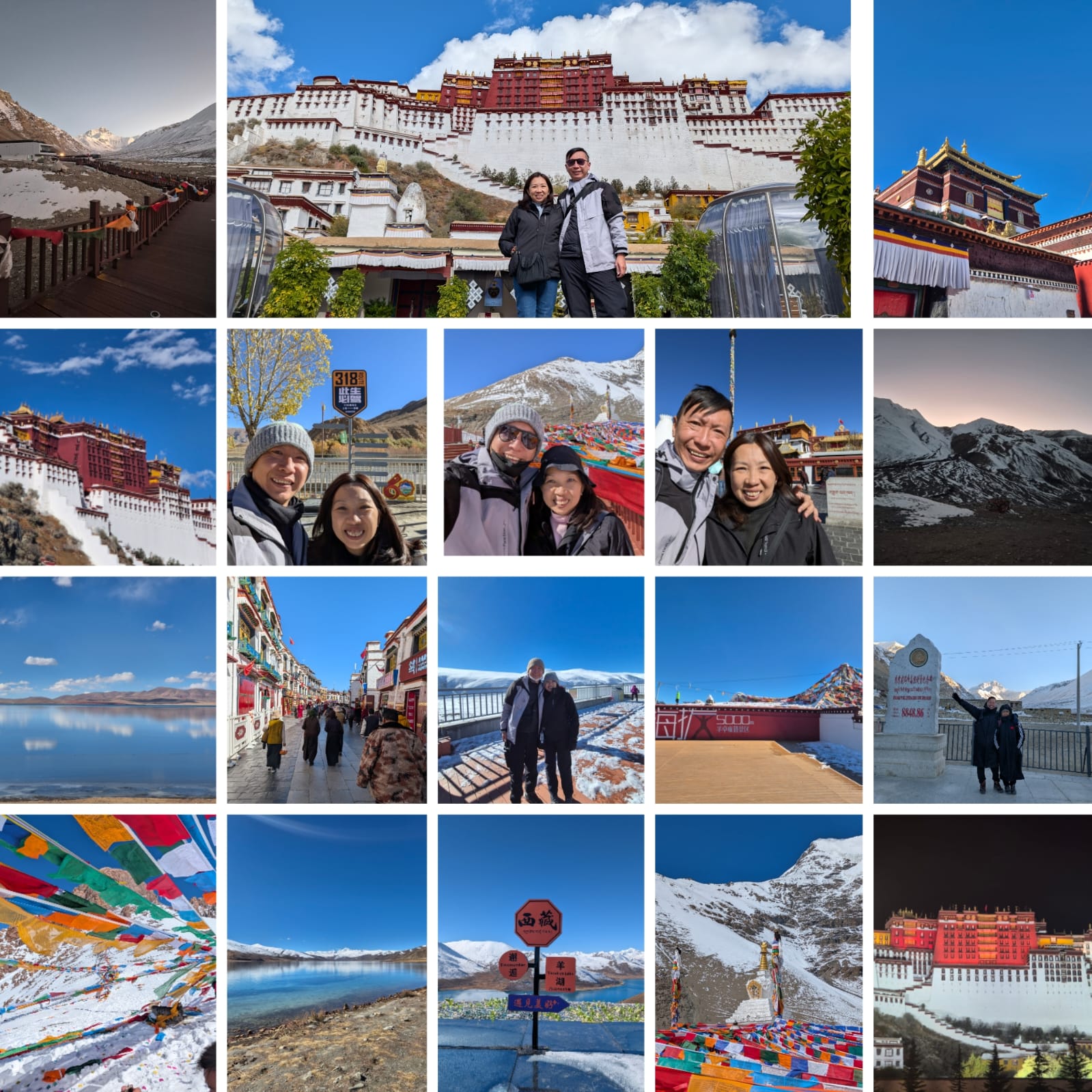
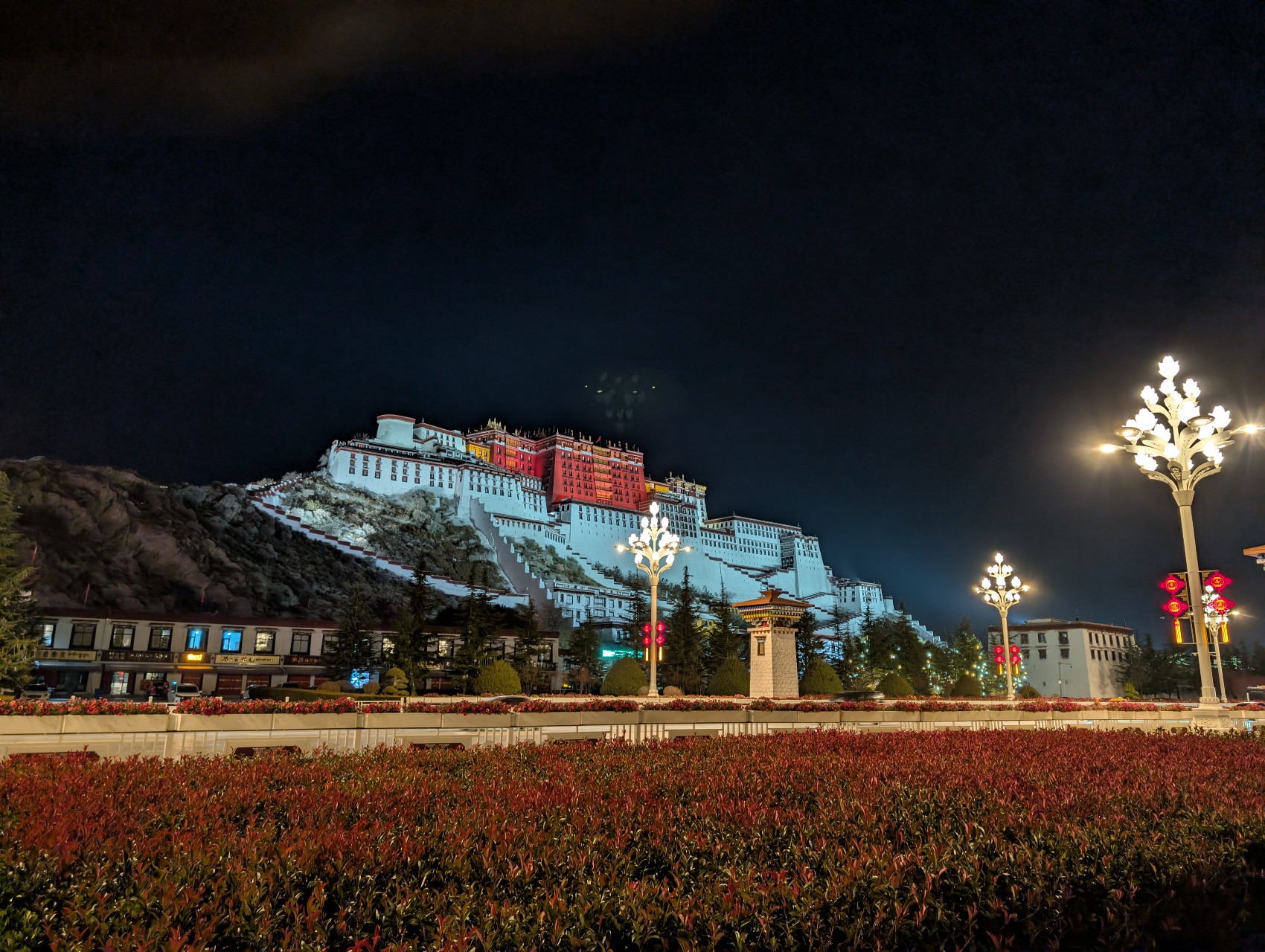
Next, we headed to Potala Palace, Tibet’s most iconic landmark. Rising thirteen stories high from Moburi Hill, it overlooks the city like an ancient fortress. It’s also the world’s highest palace, and for centuries, it served as the centre of Tibetan political and spiritual power. Seeing it in person was honestly surreal. No matter how many photos you’ve seen, nothing prepares you for how massive and imposing it feels up close.
Tea Break with a View of Potala Palace
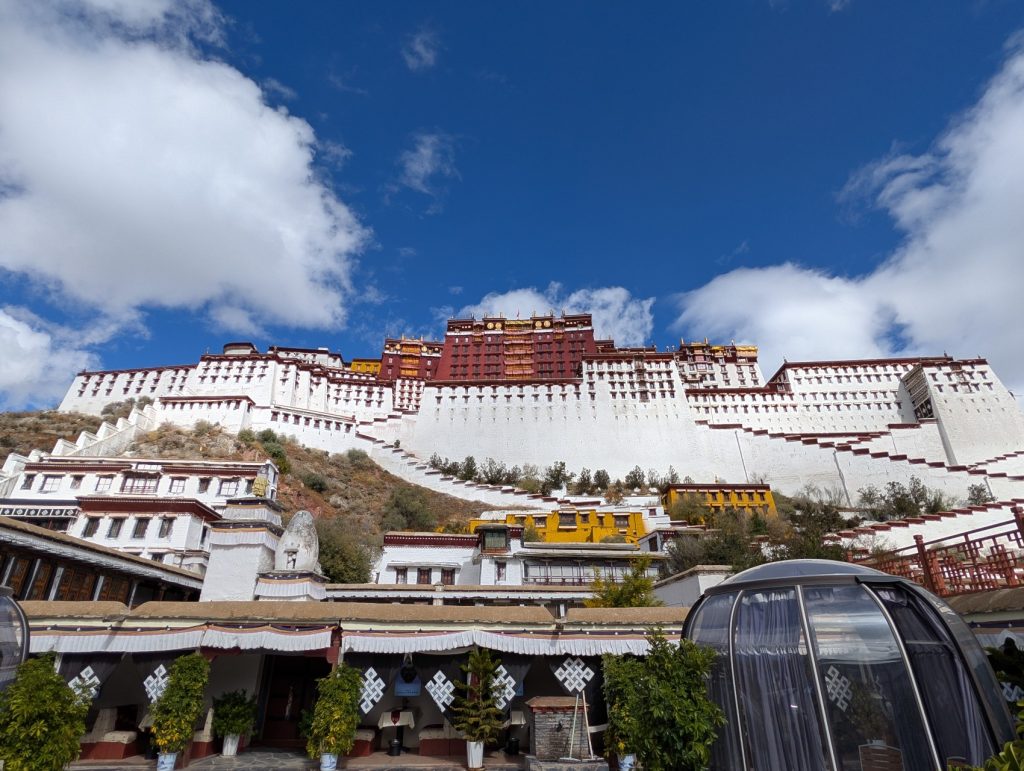
Our entry time was between 12pm and 1pm, and since we arrived early, we went for a tea break first. The cafe had a fantastic view of Potala Palace, and I think I won’t mind chilling there the whole day if I had the time – sitting there, eating cake, sipping butter tea, and just taking in the view. Also very practical, because we definitely needed the energy for what was coming next.
Climbing Potala Palace
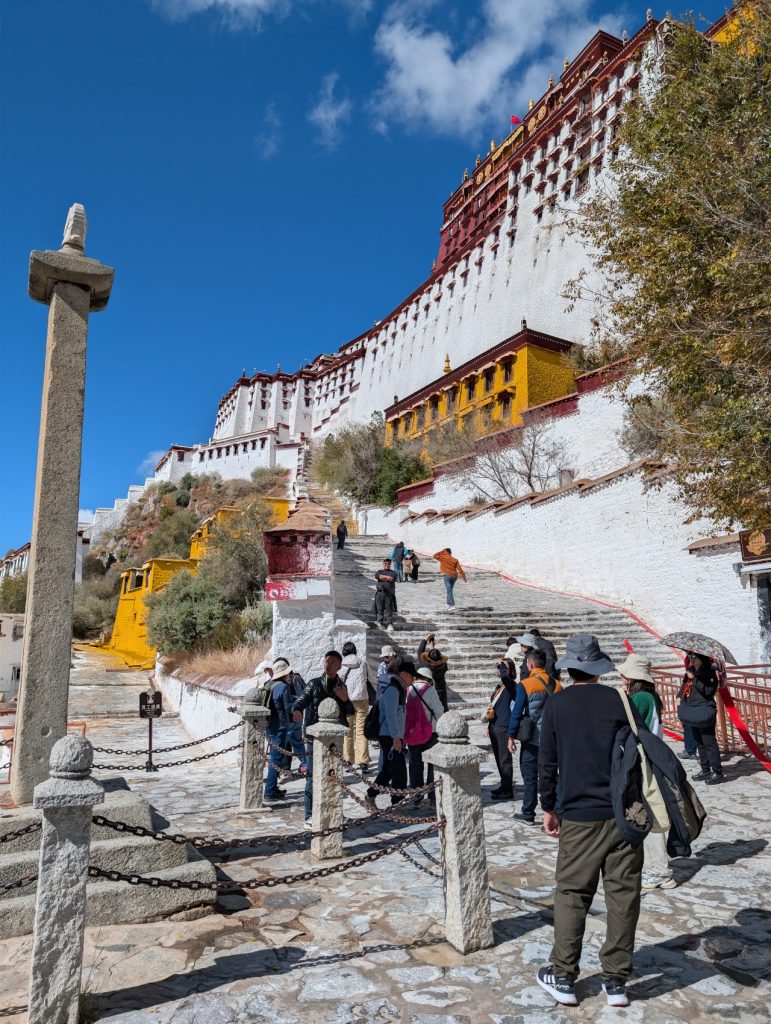
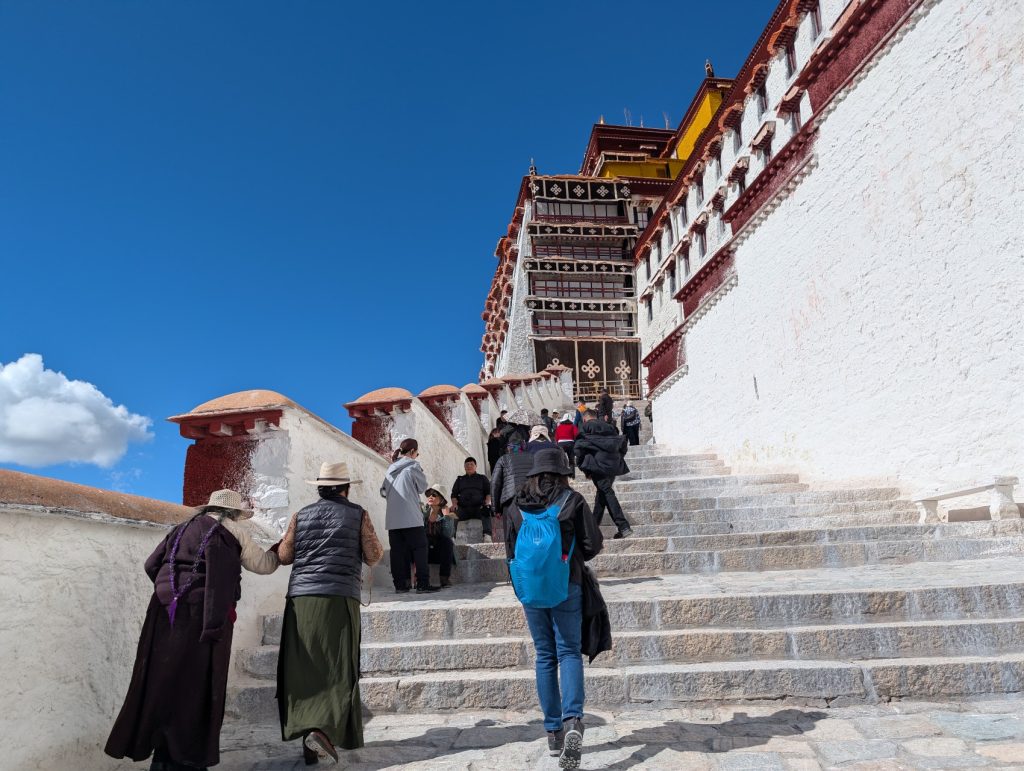
At an elevation of 3,750 metres, climbing the steps up to Potala Palace is no joke – especially under the afternoon sun. The zigzagging stone stairways felt steep, the sun is scorching hot (we took off our inner layers as we climb) and we took it very slowly, stopping often to rest (and pant), while enjoying the spectacular views over Lhasa and the surrounding countryside.
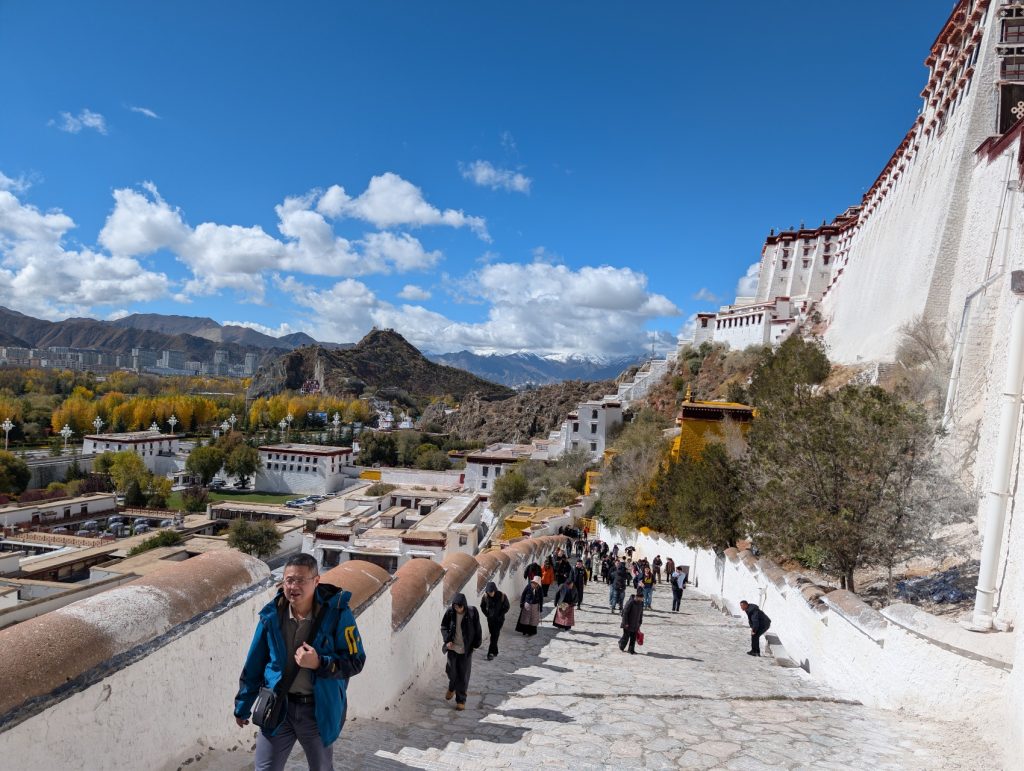
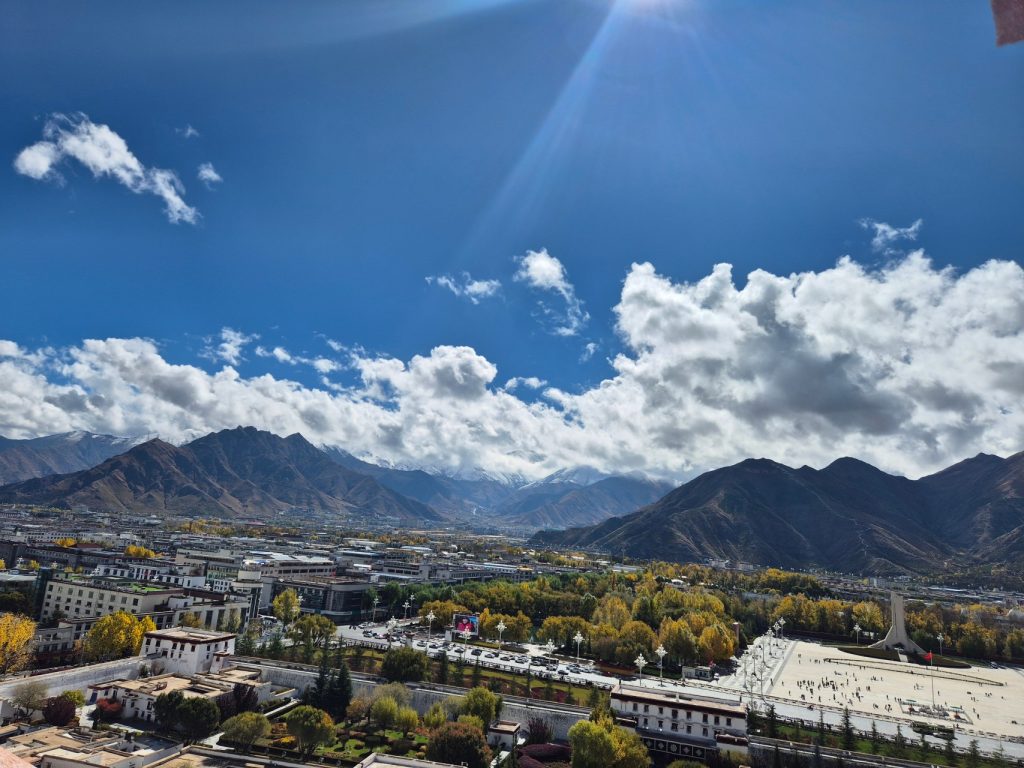
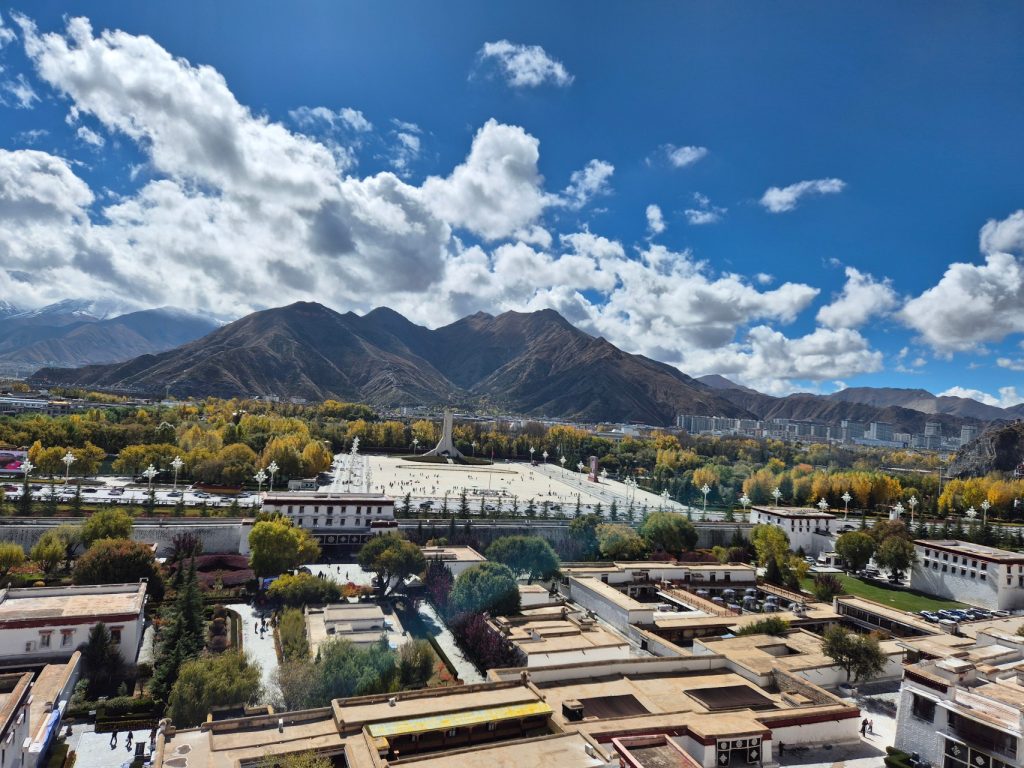
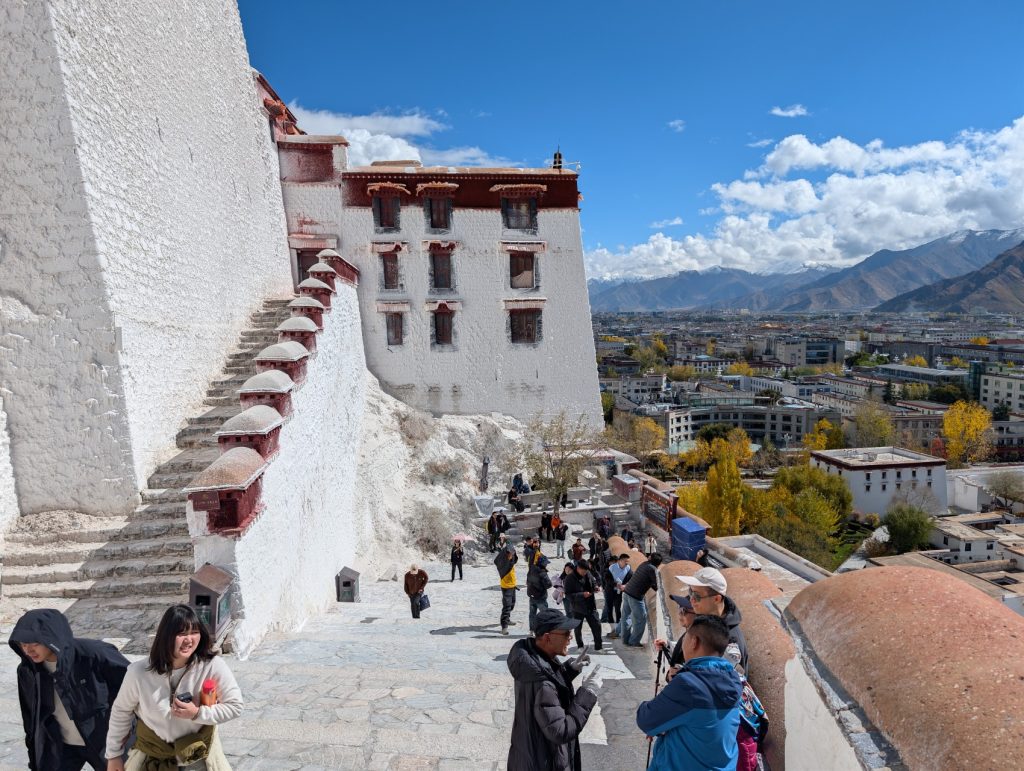
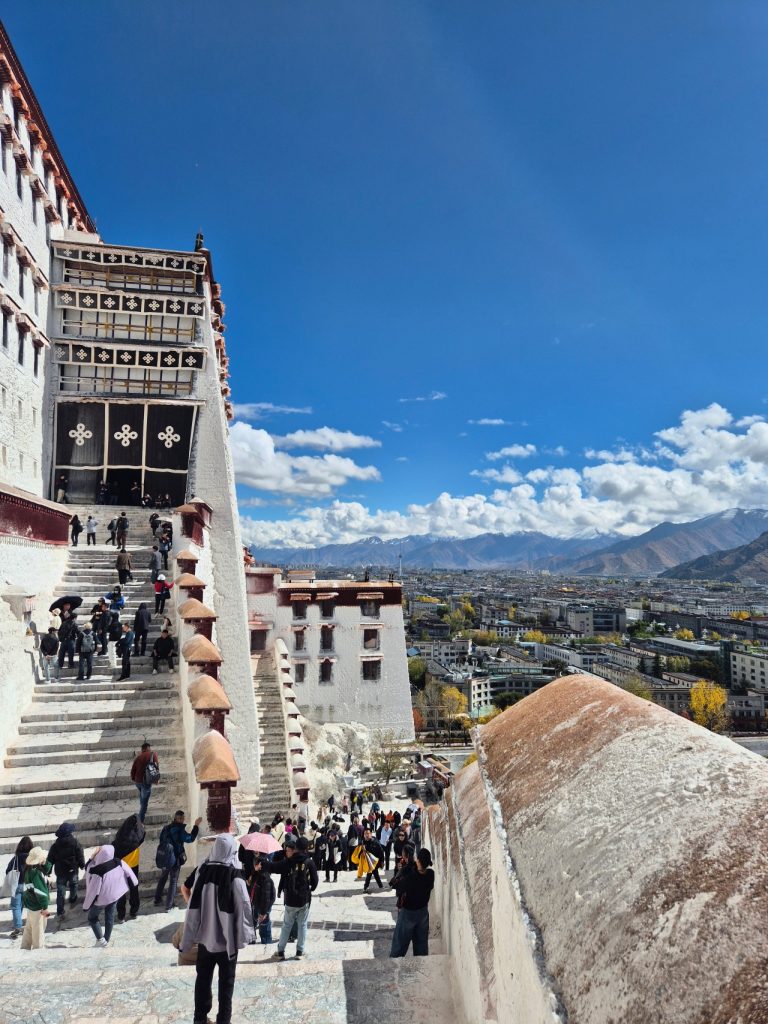
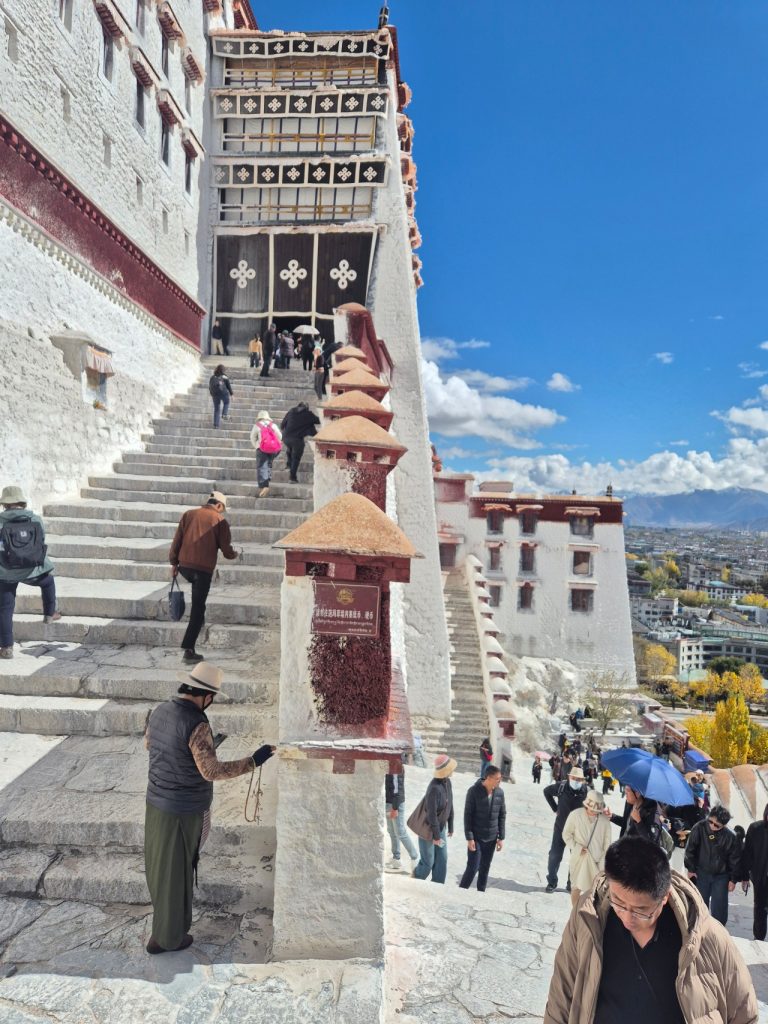
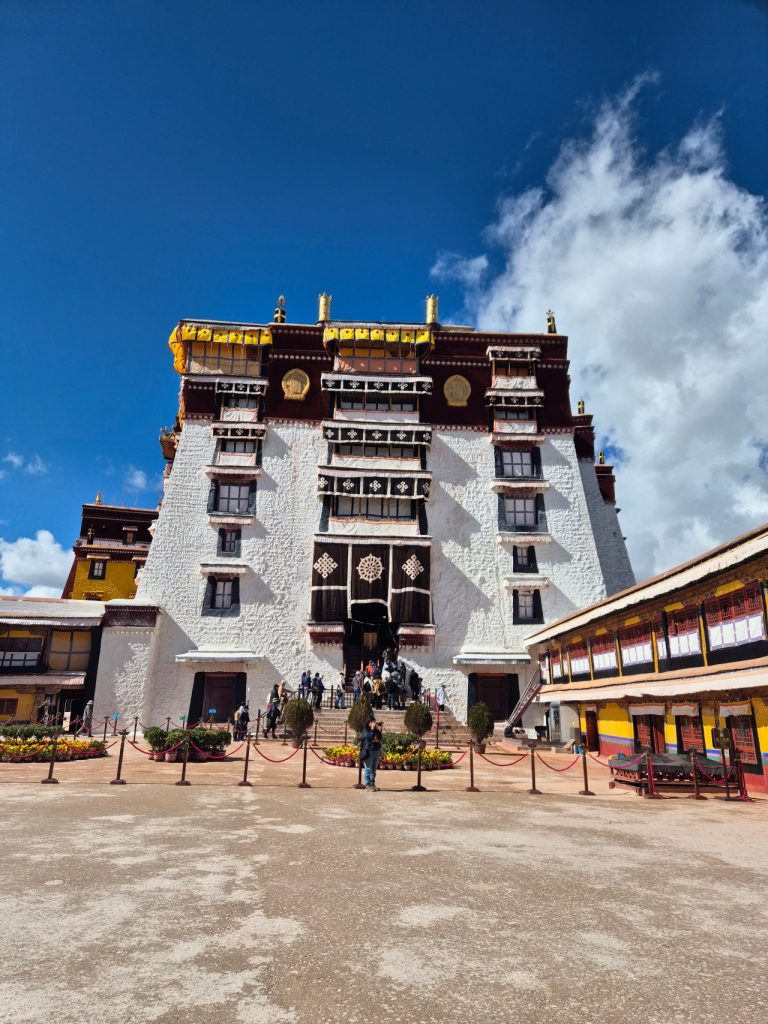
After finishing our tour of Potala Palace, we were greeted by this magnificent view at the exit. Naturally, everyone wowed and stopped to take photos and completely blocked the way out – frustrating, but I can’t blame them. I quickly snapped a shot myself and moved along.
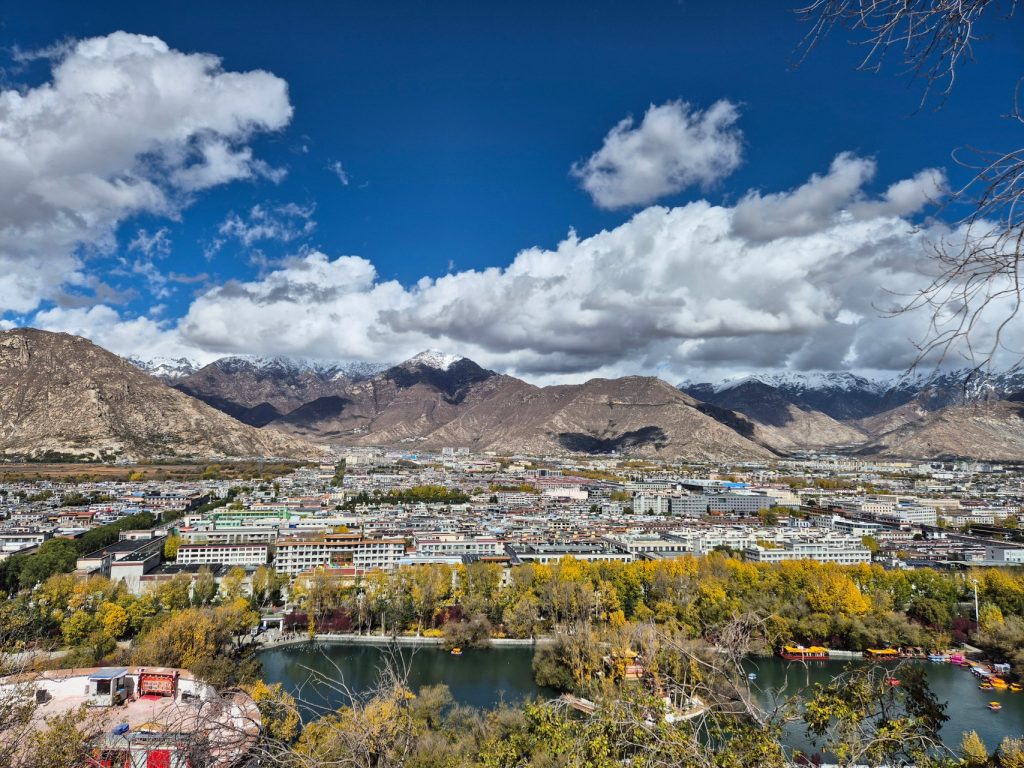
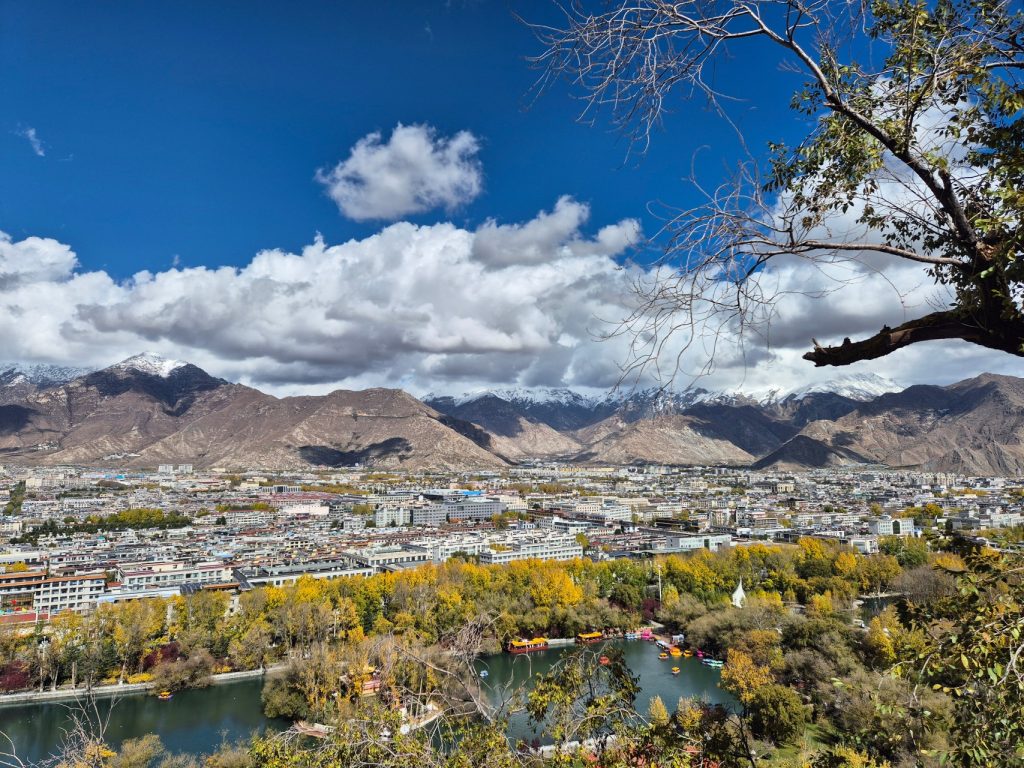
By then, it was already around 3pm, so we went straight for lunch – Nepalese food today (sadly, no momos).
Thousand Buddhas Cliff (Chakpori Hill Inscriptions)
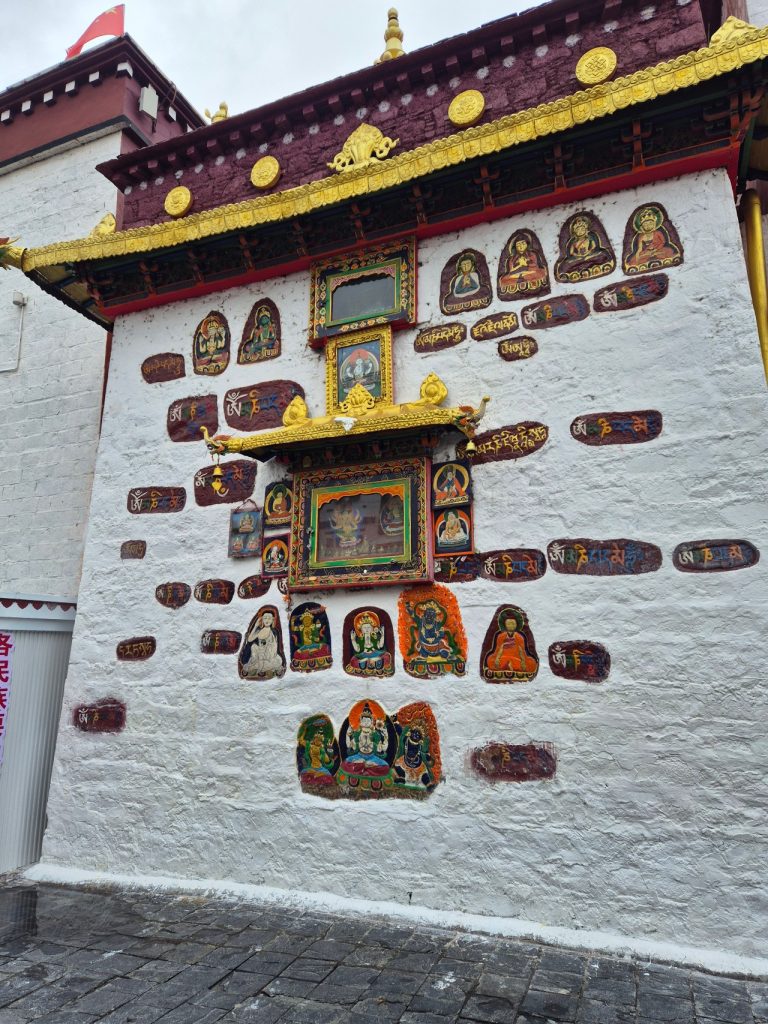
After lunch, we visited the Inscriptions on the Precipices of Chakpori Hill, also known as the Thousand Buddhas Cliff. The cliff face is covered with colourful painted rock carvings, centred around a large image of Tsepakme (Buddha of Longevity), along with numerous Buddha figures.
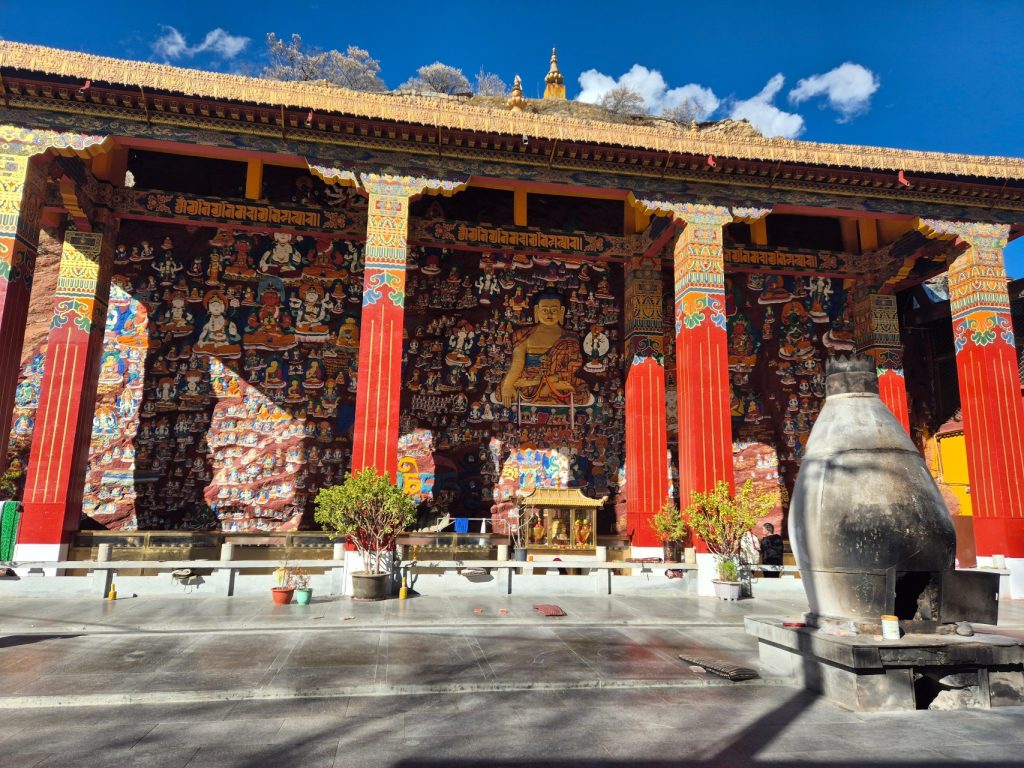
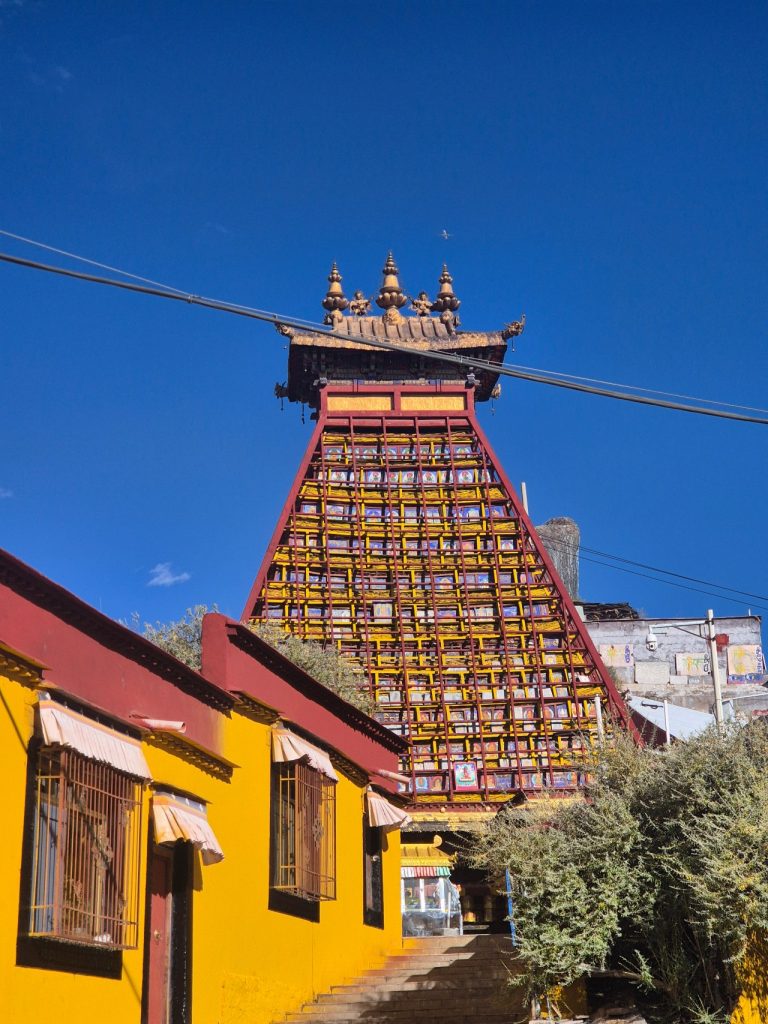
Chakpori Hill Observation Deck – Best View of Potala Palace
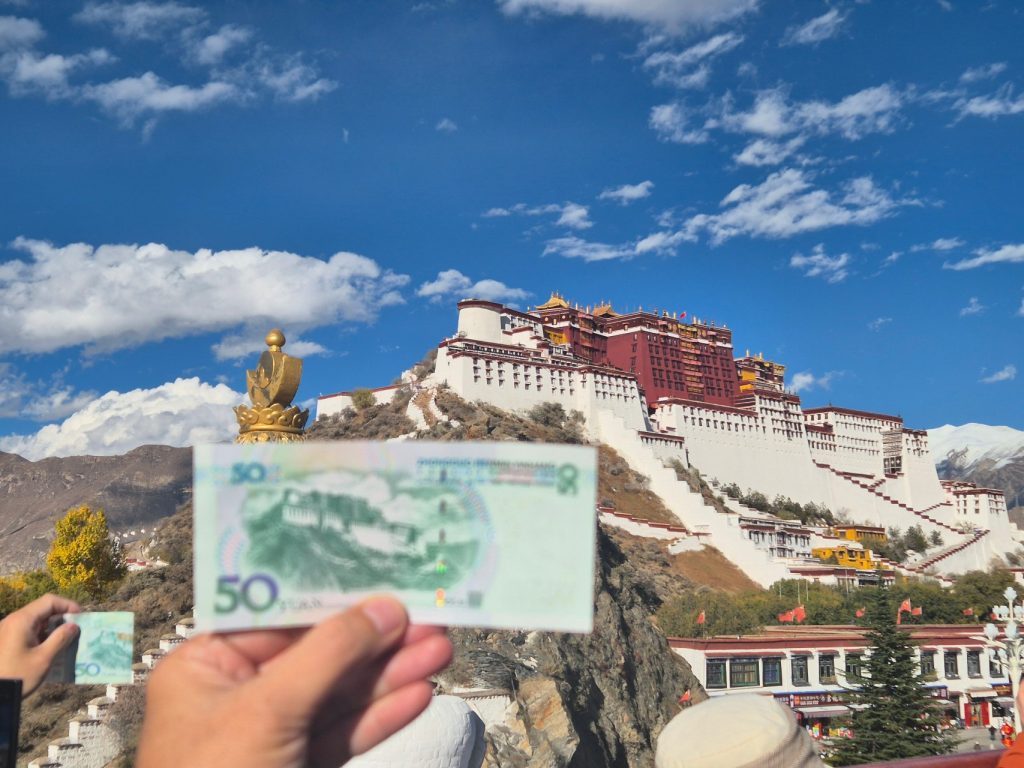
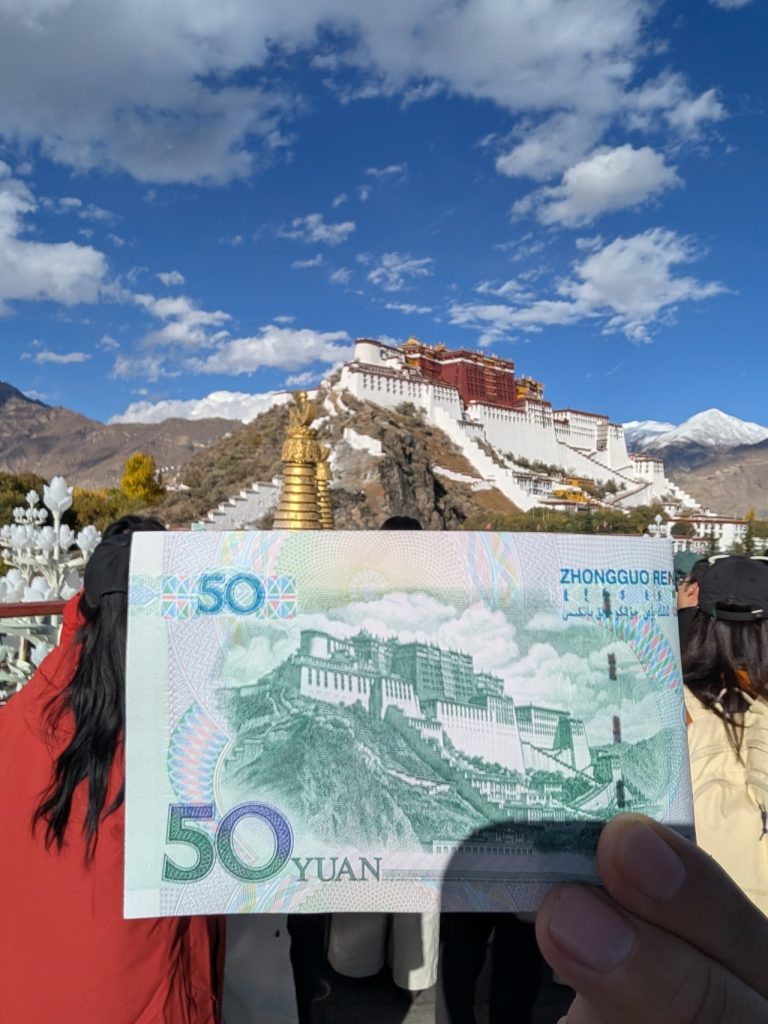
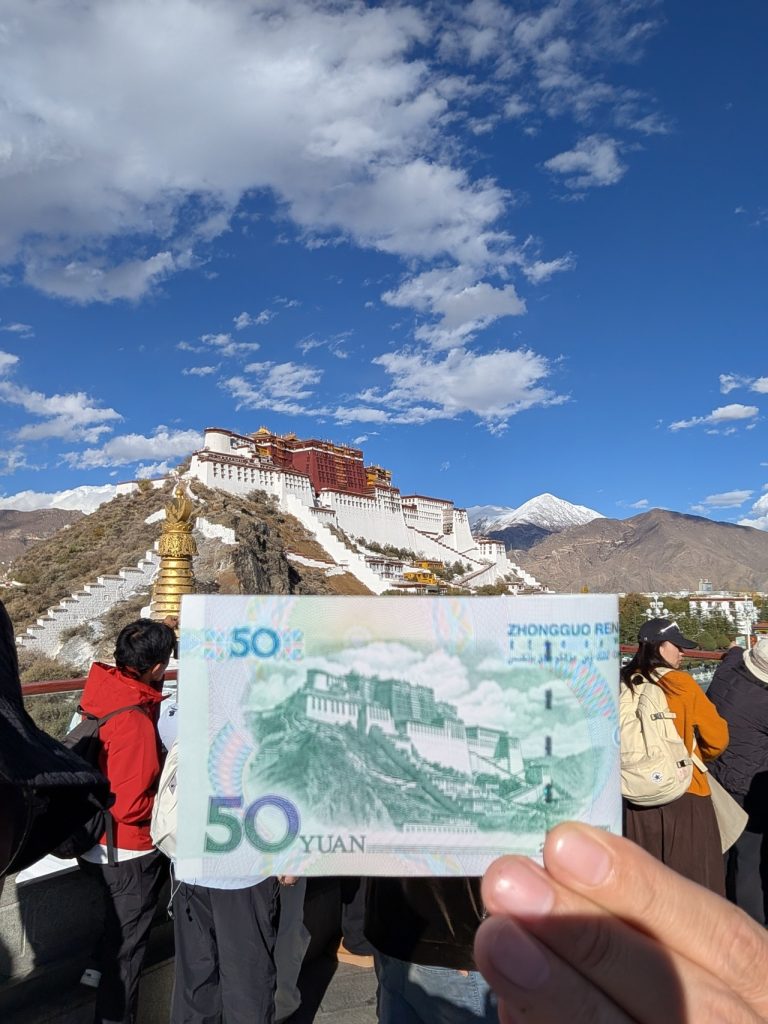
We then made our way up to the Chakpori Hill observation deck, which offers one of the best panoramic views of Potala Palace. This is the classic photo spot in Lhasa.
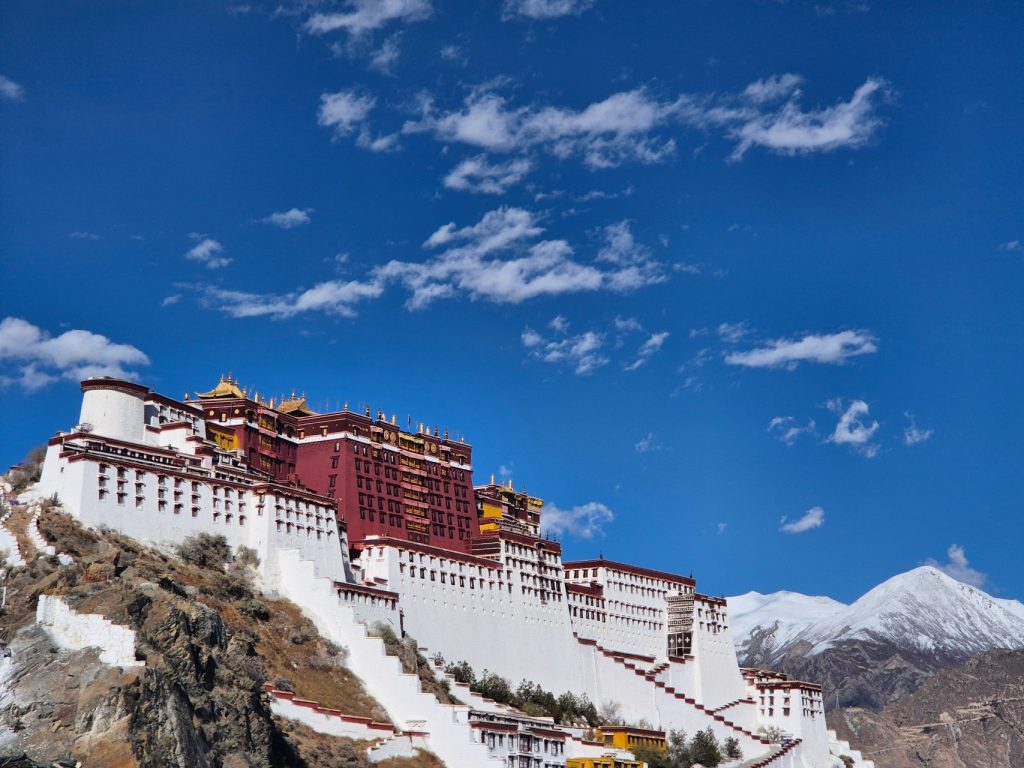
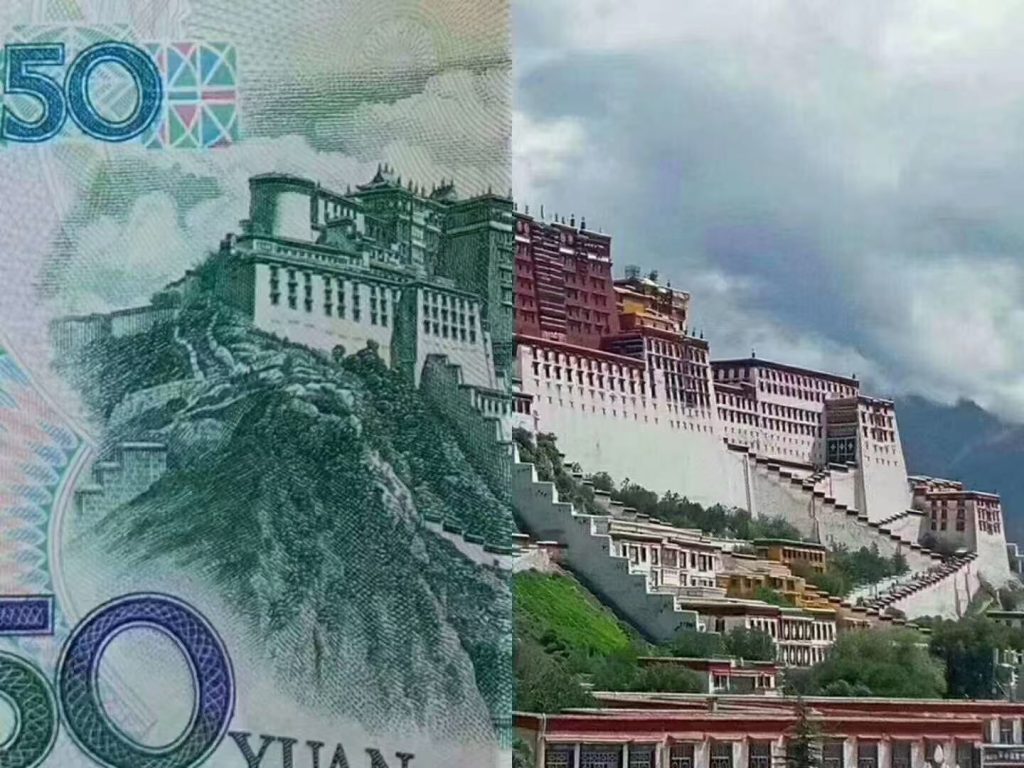
We noticed many people taking photos of Potala Palace while holding China’s 50-yuan banknote, so we, of course tried to do the same.
Mushroom Steamboat Dinner & Evening Rest
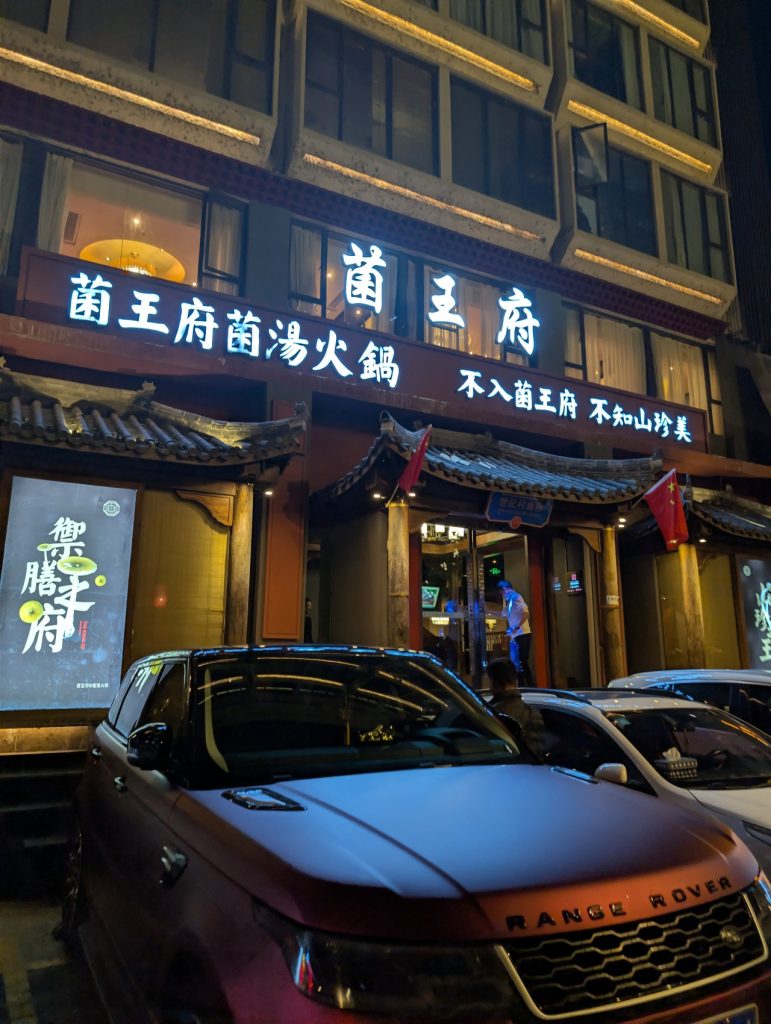
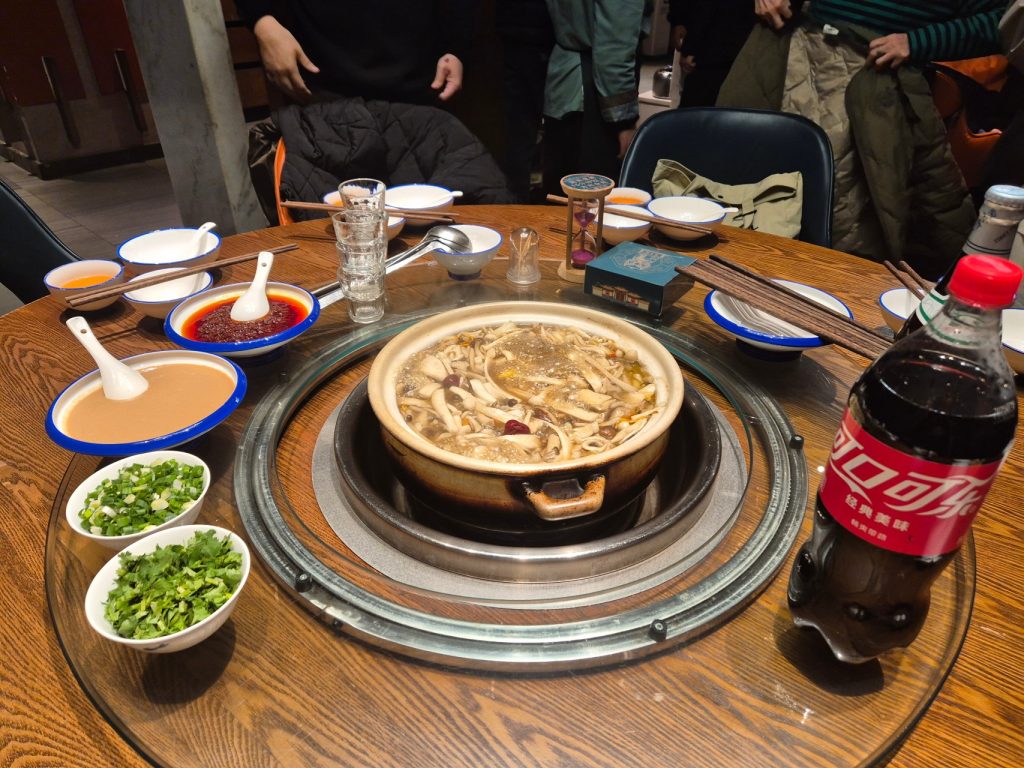
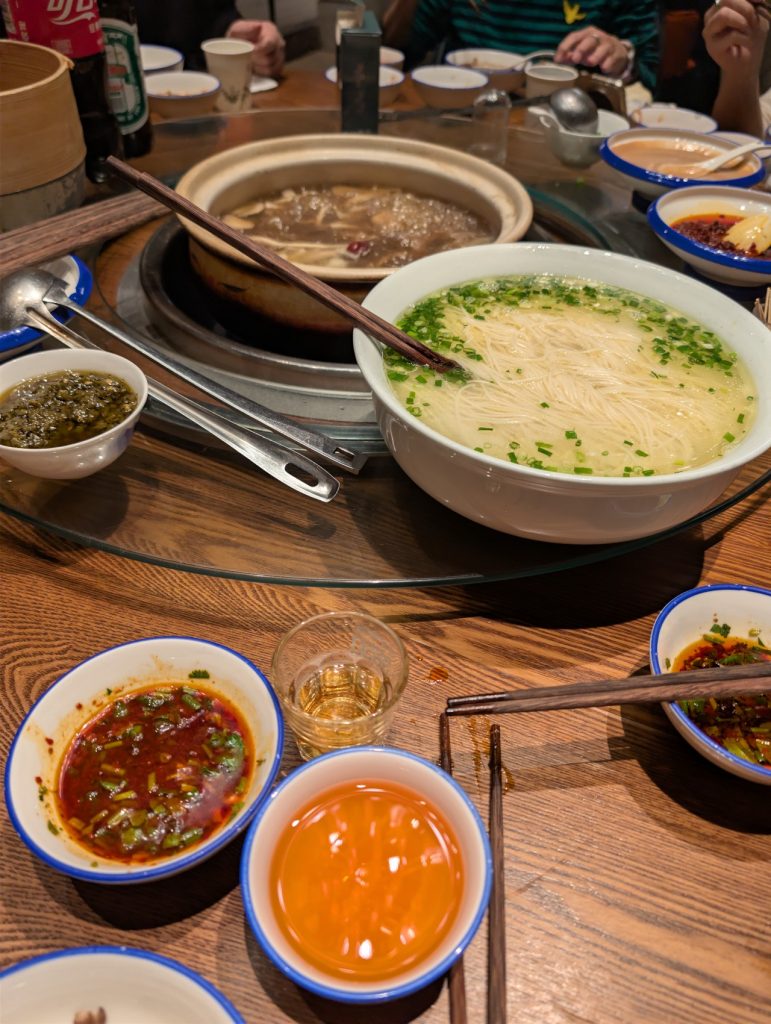
Since lunch was late and we weren’t very hungry, we headed back to the hotel to rest before dinner. Dinner tonight was mushroom steamboat, and it really hit the spot. The chicken soup noodles were especially good – warm, comforting, and perfect for the cool high-altitude evening.
Today was long, tiring, and incredibly fulfilling. We covered the essence of Lhasa, historic, spiritual, super pretty and full of life. A day I’ll definitely remember.
Continue reading: Day 6: Lhasa – Namtso Lake – Lhasa
Leave a Reply