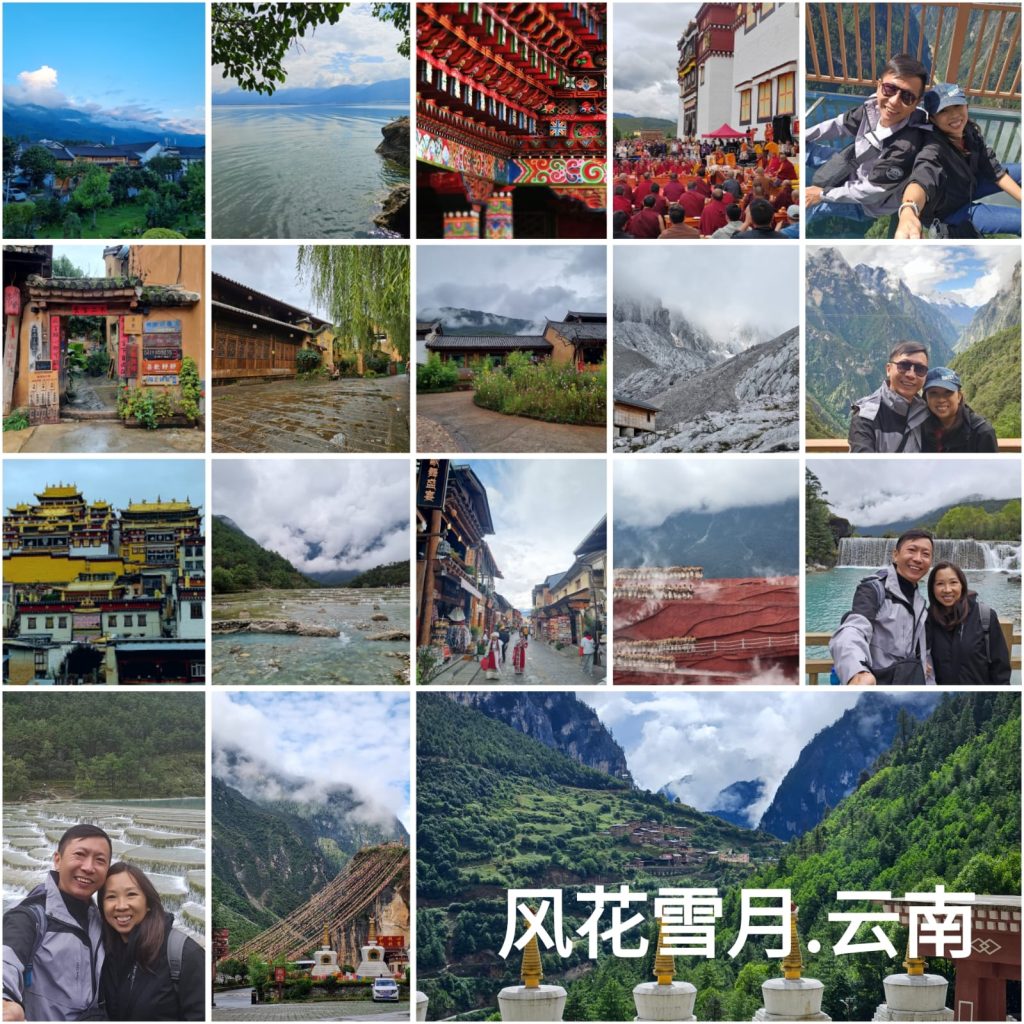
I’ve always dreamed of travelling to Yunnan, China, especially Shangri‑La. A few years ago I had flights and accommodation booked for Kunming/Shangri‑La, but then COVID hit and the trip was cancelled. This year I really wanted to go on a long trip to China – so Yunnan it is.
That being said, I am too busy and too lazy to plan out a free and easy itinerary and do comparisons between agencies and check out reviews etc, I decided to book a package tour that would cover all the places I wanted to see without the stress.
This will be the main post explaining the trip’s details.
Tour package with Chan Brothers
I chose a tour package from Chan Brothers, because I’d travelled with them before (to Japan) and had a good experience – decent hotels, good food, and smooth logistics. This 8D Scenic Yunnan/Dali/Lijiang/Shangri-La package ticked all my boxes: Kunming, Dali, Lijiang, and Shangri‑La, with five‑star accommodation, no shopping stops, and perfect timing a tour departing on 31 Aug (start of school holidays) and arriving back 7 Sept (end of school holidays) – so I booked it!
Itinerary
| Day 1 | Singapore – Kunming | Horizon Hotel Yunnan |
| Day 2 | Kunming – Dali – Lijiang | Lijiang International Hilton Hotel |
| Day 3 | Lijiang | Lijiang International Hilton Hotel |
| Day 4 | Lijiang – Shangri-La | Shangri-La Hotel |
| Day 5 | Shangri-La | Shangri-La Hotel |
| Day 6 | Shangri-La – Dali | Dali Honglongjing Hotel (highly recommended!) |
| Day 7 | Dali – Kunming | Horizon Hotel Yunnan |
| Day 8 | Kunming – Singapore | — |
Top Attractions: The Must-Visit Spots
Our 8-day route covered a mix of famous landmarks and hidden gems.
Kunming
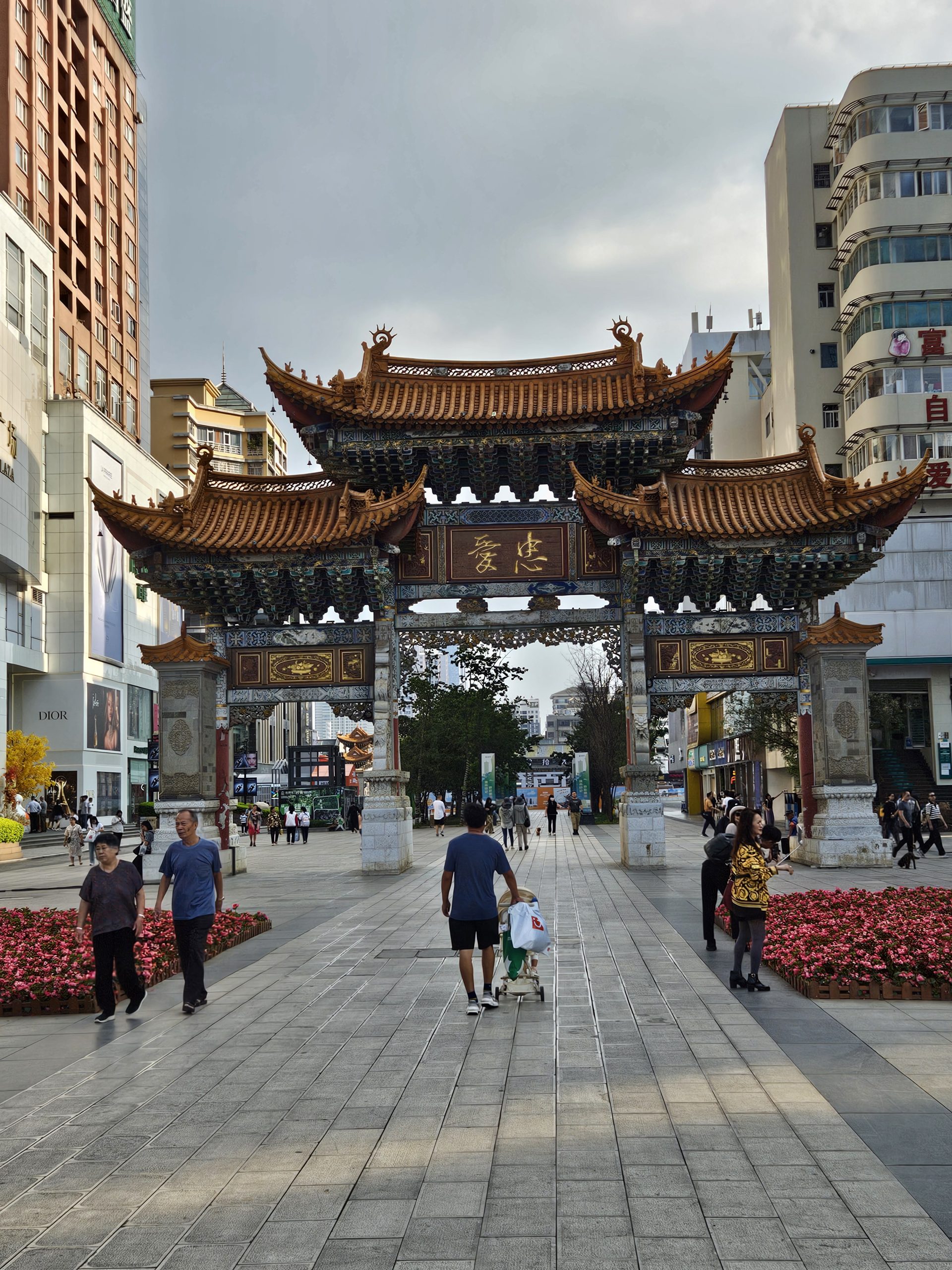
- Qian Wang Street (钱王街): Located in the heart of Kunming’s Old Town, this street is a perfect blend of history and modern culture. Named after the “Money King” Wang Jiyan, it features beautifully preserved Qing Dynasty architecture, traditional courtyards, and trendy boutiques. It’s the best place to soak in the city’s heritage before heading north.
Lijiang & Surroundings
- Jade Dragon Snow Mountain: The majestic glacier peak that dominates the Lijiang skyline.
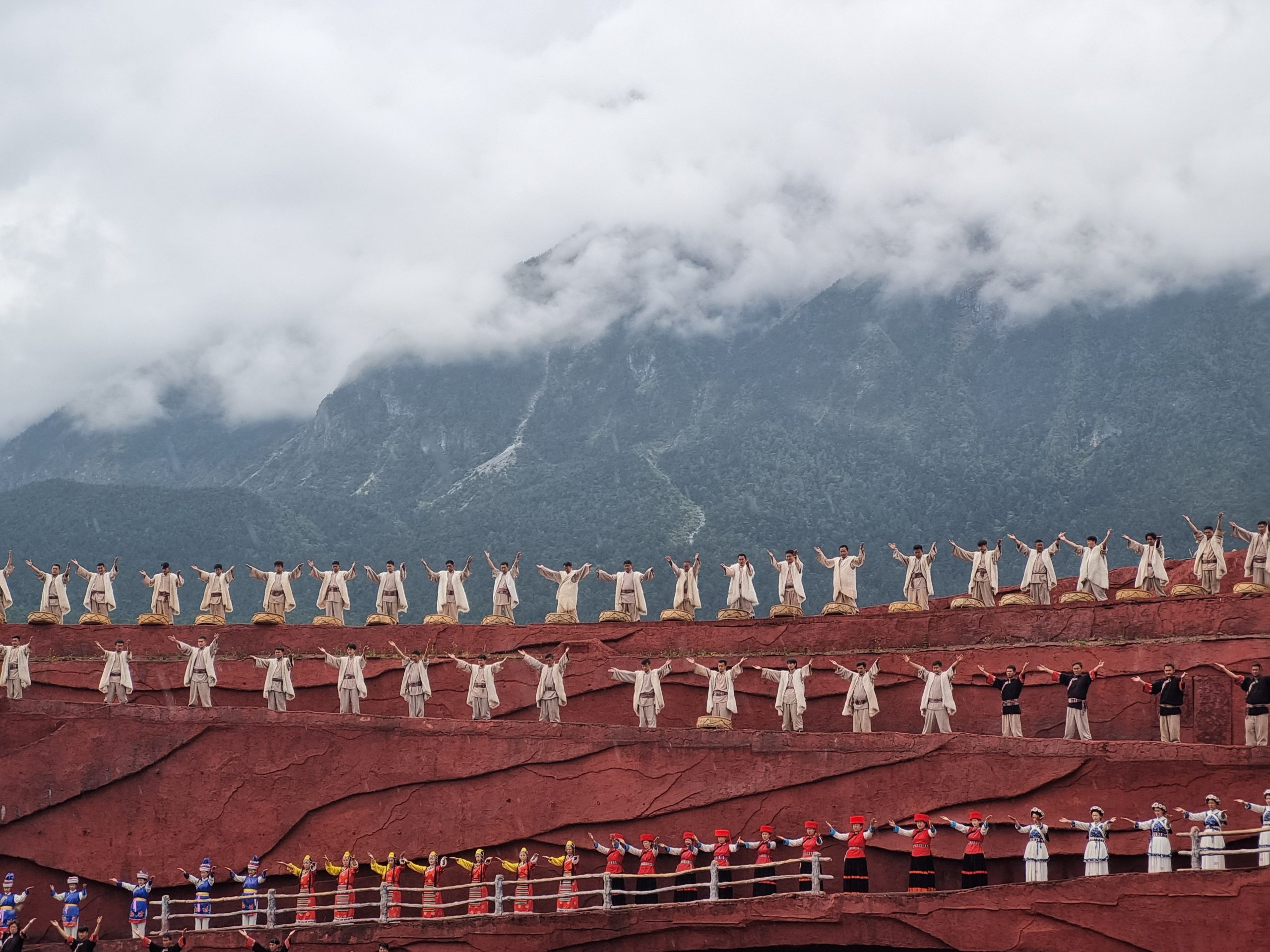
- Impression Lijiang (印象·丽江): A breathtaking outdoor cultural performance set at 3,100m, featuring the snow mountain as a natural stage.
- Blue Moon Valley: Famous for its turquoise waters and white limestone terraces against the backdrop of the mountains.
- Lijiang Dayan Ancient Town: A UNESCO-listed maze of winding canals, bridges, and flower-lined streets. Though commercialized, its winding canals and flower-lined streets live up to the social media hype.
Dali & Shaxi
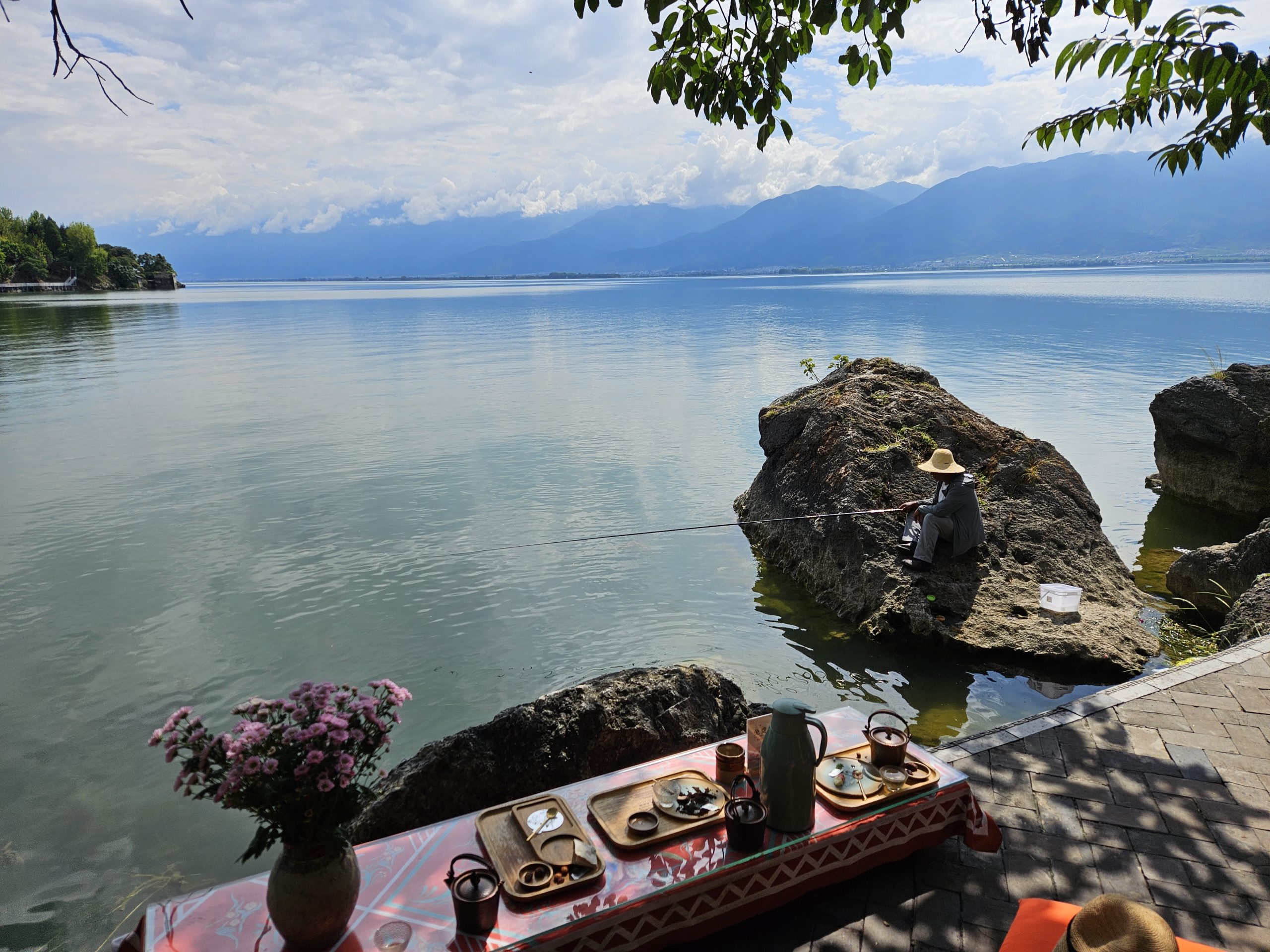
- Erhai Lake: This massive “ear-shaped” lake is the heart of Dali. Explore the Eco-Corridor by electric cart or bicycle for the best views.
- Shuanglang Ancient Town: A slow-paced town known for its beautiful scenery, and enjoy an leisurely afternoon tea at Sun Palace, exquisite villa of renowned dance artist Yang Liping on the Yuji Island in Shuanglang.
- Shaxi Ancient Town: Our personal favorite. It retains a quiet “kampong vibe” and feels much more authentic and feels like a step back in time compared to the more commercialized tourist hubs.
- Dali Ancient City: Beautiful both day and night, especially when the lanterns glow against the wet cobblestones after a rain shower.
Shangri-La: The High Altitudes
- Dukezong Ancient Town: Known as the “Moonlight City,” this 1,300-year-old Tibetan town is the largest and best-preserved of its kind. Its white-walled buildings and maze-like streets offer a deep dive into Tibetan life.
- Guishan Park & The World’s Largest Prayer Wheel: Rising above Dukezong, this park features a massive, gilded prayer wheel. Standing over 21 meters tall and weighing 60 tons, it requires at least 6–8 people to spin together! Turning it three times clockwise is said to bring good luck.
- Balagezong Scenic Area: A hidden world featuring deep gorges and the Echo Wall Glass Observation Deck, which hangs 1,000 meters above the canyon.
- Songzanlin Monastery: Often called the “Little Potala Palace,” this is the most important Tibetan Buddhist monastery in Yunnan.
What to Eat: A Taste of Yunnan
Yunnanese cuisine is a vibrant mix of fresh ingredients and bold flavors. Don’t leave without trying these:
- Crossing-the-Bridge Noodles (过桥米线): The most iconic dish in the region. We enjoyed this steaming, rich broth with springy noodles on a cool night in Dali. It’s pure comfort food.
- Flower Cakes (Xian Hua Bing): Flaky pastries filled with rose petals. They are sold everywhere!
- Flower Tea Wines: Found in the ancient towns of Lijiang and Dali. For those who love sweet wines (like Moscato), these are a “paradise of heaven.”
- Yak Butter Tea: A staple in Shangri-La. It’s an acquired taste but vital for energy and warmth in the high altitudes.
Some travel tips
Here are some practical tips if you are planning a trip to Yunnan:
- You don’t need to change RMB if you are comfortable with mobile payment. Mobile payments are everywhere – you can use Wechat or Alipay to pay for anything and everything. Even vendors on the street have a QR code for you to scan and make payment.
- Bring hygiene supplies such as hand sanitizers, wet tissues and dry soap, especially for the ladies as some of the washrooms ain’t the best in class. (you get what I mean). Some of the washrooms didn’t even have running water, so ensure you have sufficient hygiene products
- Wear comfortable shoes as there will be lots of walking. Additionally, the stone and cobble footpaths at some of the ancient towns ain’t easy to walk on. Very slippery especially when they are wet.
- Last but not least, high attitude supplements. I asked the tour leader if I should get them in Singapore and she told me it’s cheaper to get it from China. On our first night in Kunming after dinner, the tour leader recommended this Chinese herbal supplements Hong Jing Tian. There’s 10 bottles per box, each box costs RMB 100 (about SGD 10). We started taking it the next day, 2 bottles after breakfast and 2 bottles at night. Because of this, we only finished the entire box by the time we get to Shangri-La. I don’t know if there’s a noticeable difference when taking high attitude supplements. However, I always think it’s better to be safe than sorry.

4 pax yunnan 3rd week of September